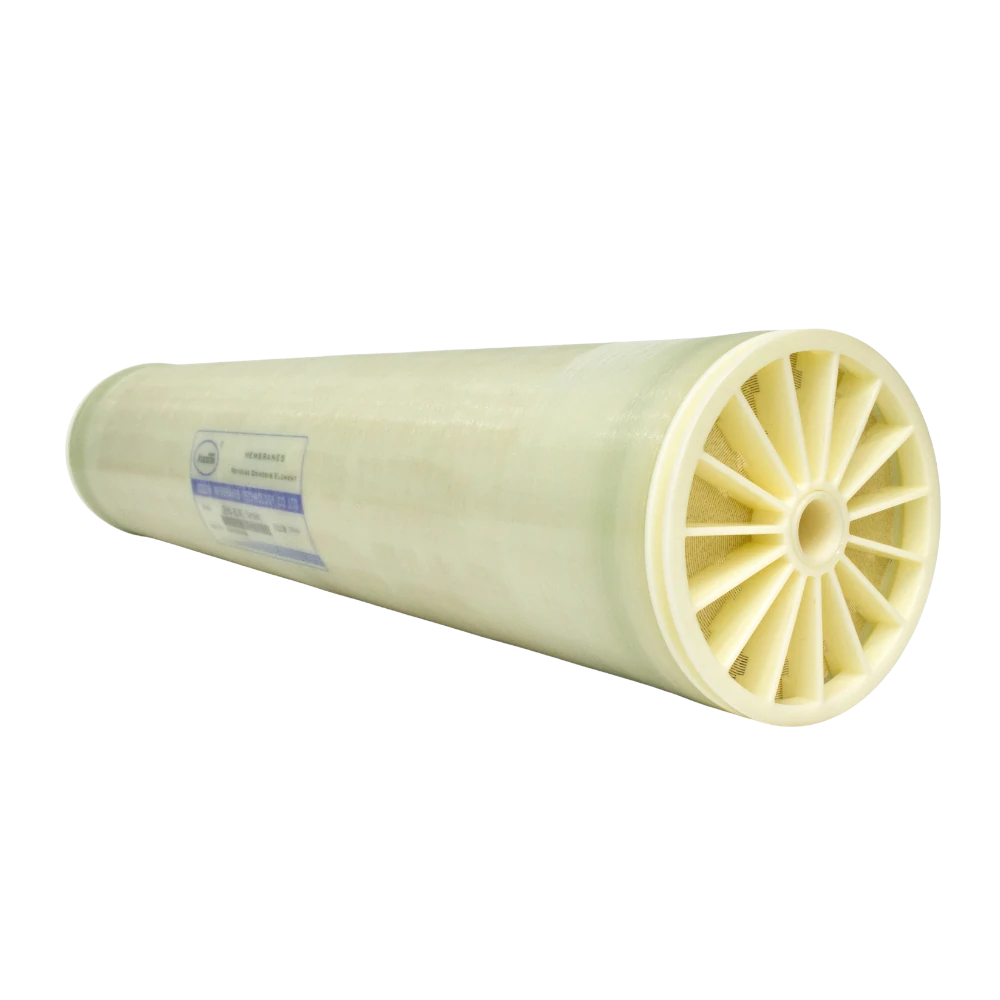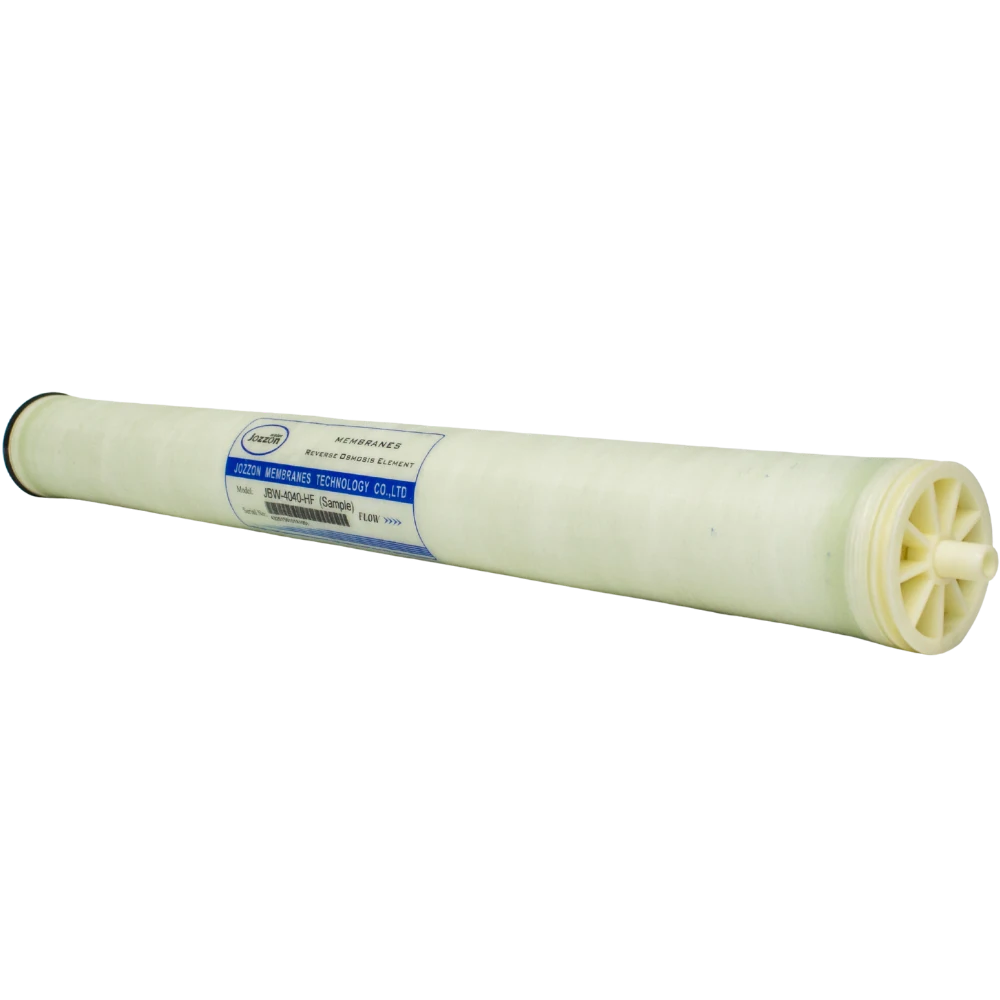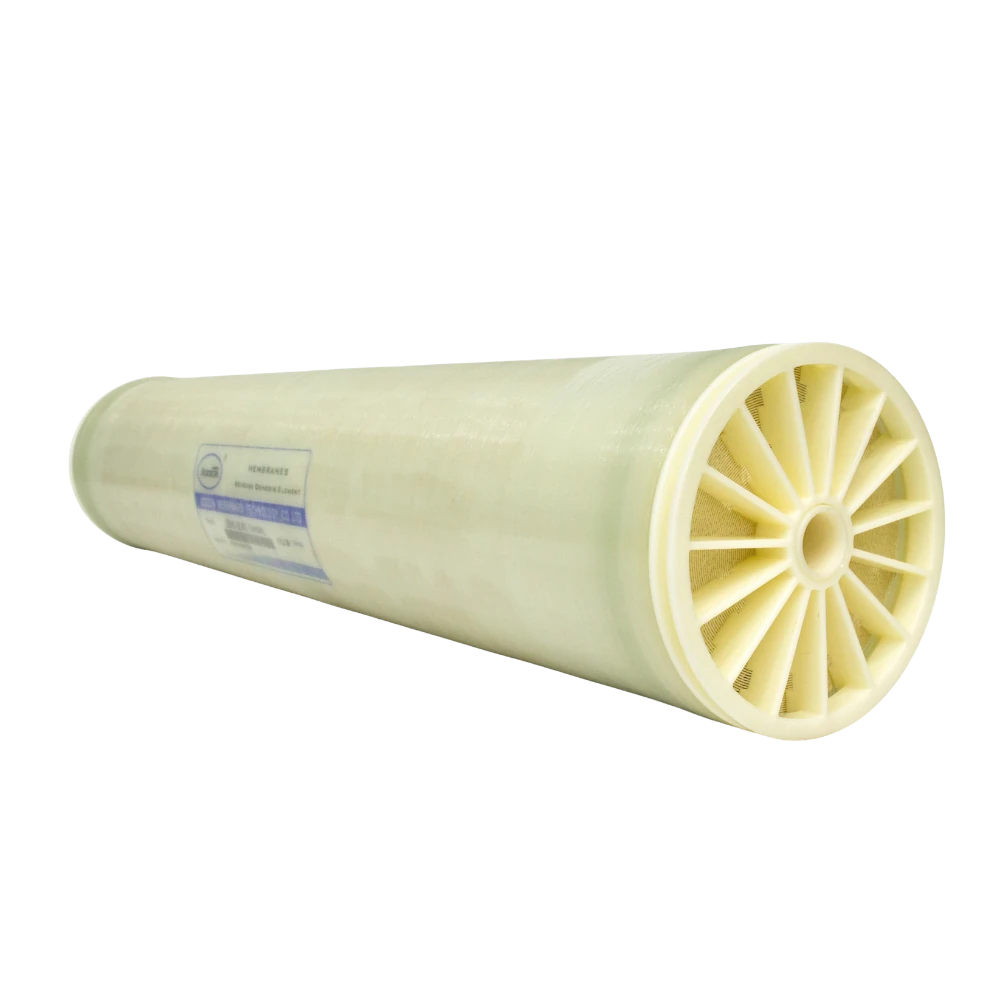
Selecting the right industrial RO membrane is one of the most important decisions when designing or upgrading a reverse osmosis water treatment system. The membrane determines not only water quality, but also system recovery, energy consumption, operating pressure, maintenance frequency, and overall lifecycle cost.
Whether you’re designing a new desalination plant, upgrading a wastewater reuse facility, or replacing aging membrane elements, successful industrial RO membrane selection requires more than comparing product specifications. Feed water quality, application requirements, operating conditions, and long-term operating costs all influence which membrane performs best.
This guide explains how to choose an industrial RO membrane, compares common membrane types, and provides practical recommendations for industrial water treatment applications. It is intended to help engineers, OEMs, distributors, and plant operators make informed purchasing decisions while selecting a reliable RO membrane manufacturer and RO membrane supplier.
Quick Selection Guide
|
If Your Application Is… |
Recommended Membrane |
|
Municipal or low-TDS water |
Low Pressure Industrial RO Membrane |
|
Brackish groundwater |
BWRO Membrane |
|
Seawater desalination |
SWRO Membrane |
|
Industrial wastewater reuse |
Fouling-Resistant RO Membrane |
|
Pharmaceutical or electronics |
High Rejection Industrial RO Membrane |
|
High-recovery systems |
High-pressure Industrial RO Membrane |
This table provides a quick reference before diving into the detailed selection criteria.
Why Proper Industrial RO Membrane Selection Matters
An industrial RO membrane serves as the core separation component of any reverse osmosis purification system. Unlike residential filters, an industrial water treatment membrane is custom-engineered for continuous large-scale operation, higher processing flows, and extreme industrial environments.
Deploying an unsuitable membrane element can result in a cascade of operational failures, including:
- Rapid drop in water production capacity
- Poor salt rejection leading to off-spec water quality
- Spikes in high-pressure pump energy consumption
- Frequent membrane fouling necessitating constant clean-in-place (CIP) cycles
- Unplanned downtime and drastically shorter membrane lifespans
Understanding RO membrane performance is also important when evaluating whether a selected membrane is operating as expected. By systematically matching your membrane selection to your feed water characteristics, you ensure reliable, long-term performance while minimizing total system lifecycle costs.
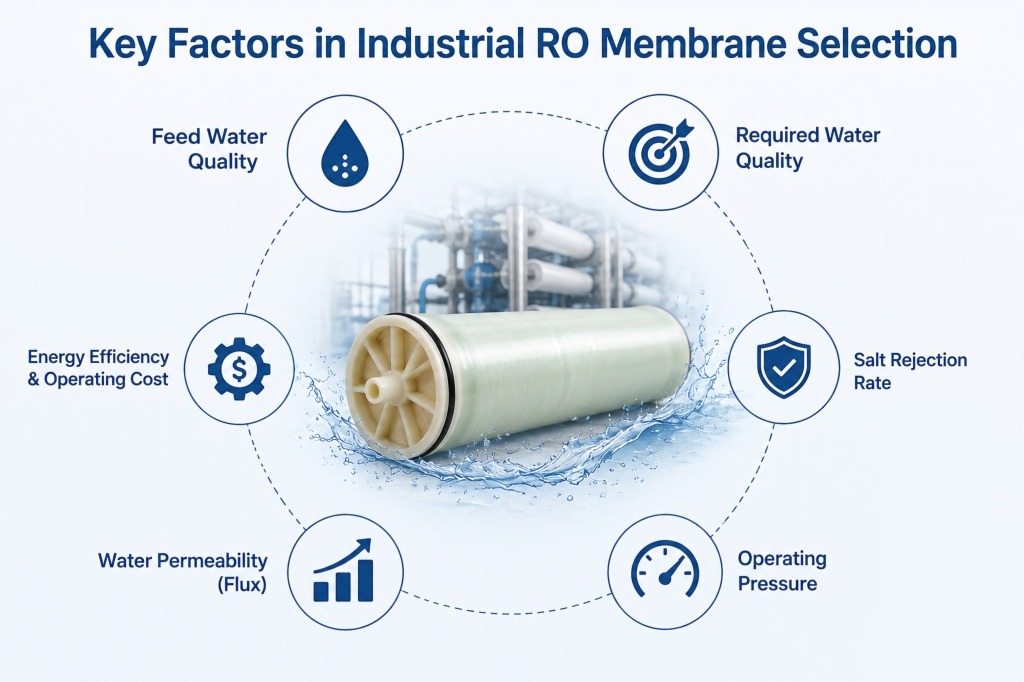
Key Factors in Industrial RO Membrane Selection
1. Feed Water Quality
Feed water characteristics determine the type of membrane required.
Evaluate:
- Total Dissolved Solids (TDS)
- Hardness
- Silica
- Iron and manganese
- Organic contaminants
- Turbidity
- SDI (Silt Density Index)
- pH
- Temperature
|
Feed Water Source |
Recommended Membrane |
|
Municipal Water |
Low-pressure RO Membrane |
|
Brackish Water |
BWRO Membrane |
|
Seawater |
SWRO Membrane |
|
Wastewater Reuse |
Fouling-Resistant RO Membrane |
2. Required Product Water Quality
Different industries require different purification levels.
|
Industry |
Typical Requirement |
|
Drinking Water |
High salt removal |
|
Food & Beverage |
Stable product water |
|
Pharmaceutical |
High-purity water |
|
Electronics |
Ultra-low conductivity |
|
Power Generation |
Low silica and hardness |
3. Salt Rejection
Salt rejection directly affects product water quality.
Typical values:
- Standard membrane: 98–99%
- High rejection industrial RO membrane: 99.5–99.8%
Higher rejection reduces the load on downstream polishing systems.
4. Water Flux and Productivity
A higher-flux membrane can produce more permeate at lower operating pressure, improving energy efficiency.
However, excessive flux under poor feed conditions may increase fouling risk, so membrane productivity should always be balanced with long-term reliability.
5. Operating Pressure and Energy Consumption
Operating pressure is largely determined by feed water salinity.
|
Water Source |
Typical Pressure |
|
Municipal Water |
8–15 bar |
|
Brackish Water |
10–25 bar |
|
Seawater |
55–80 bar |
Selecting a membrane with the correct pressure rating helps reduce energy consumption while maintaining stable performance.
Types of Industrial RO Membranes
Low Pressure Industrial RO Membrane
Designed for low-to-moderate salinity feed water, these membranes operate at lower pressures while maintaining excellent permeate flow.
Typical applications include:
- Drinking water treatment
- Food processing
- Beverage production
- Industrial process water
Industrial RO Membrane for Brackish Water
BWRO membranes are optimized for groundwater and moderate-salinity feed water. For applications utilizing municipal tap water, surface water, or shallow underground wells with moderate salinity (TDS under 3,000–5,000 ppm), an industrial RO membrane for brackish water (BWRO) is the standard industry selection. These elements are engineered to balance strong flux output with highly reliable desalination performance under standard operating pressures.
High Rejection Industrial RO Membrane for Severe Salinity
When treating complex process water or highly mineralized streams, a high rejection industrial RO membrane is required. These membranes maximize salt removal and are ideal for industries requiring extremely pure water. While standard industrial elements provide a salt rejection of 98% to 99%, advanced high-rejection elements deliver a stable desalination rate of 99.5% to 99.7%. This tier of filtration ensures ultra-low conductivity and prevents silica or hardness leakage in sensitive environments like power plant boiler feed water or electronics manufacturing.
Industrial RO Membrane for Wastewater Treatment
When sourcing an industrial RO membrane for wastewater treatment or zero liquid discharge (ZLD) concentration loops, relying purely on standard specifications can lead to operational failure. Industrial wastewater streams often carry significant organic loads, severe mineral mineralization, and sharp fluctuations in water chemistry. Wastewater reuse applications require membranes with excellent resistance to fouling and chemical cleaning.
The Anti-Fouling & Wide Spacer Advantage
In highly scaling environments—such as coal chemical wastewater or deep mine water treatment—compounds like calcium sulfate (CaSO4) present extreme fouling hazards. To overcome this, advanced fouling-resistant (XFR) membranes integrate two vital design protections:
- Special Surface Modification: A premium RO membrane manufacturer applies specialized chemical coatings to the active polyamide thin-film composite layer. This advanced surface modification lowers the electrical adhesion of contaminants, extending cleaning cycles and reducing overall chemical cleaning frequency by more than 80%.
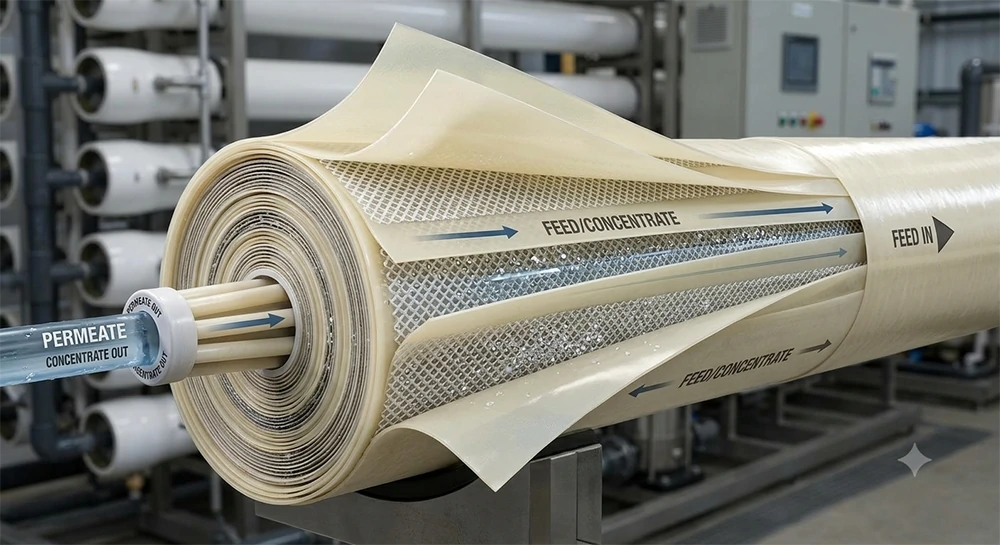
- Wide Inlet Feed Spacers: Traditional elements use tight feed channel spaces that easily trap crystals and particulate matter. Selecting an element with a 34 mil wide inlet feed channel disrupts concentration polarization at the membrane boundary layer, ensures stable cross-flow velocity, and significantly extends the membrane’s working life to 3–5 years under harsh conditions.
How to Choose an Industrial RO Membrane
Proper RO membrane selection should also be considered as part of the overall membrane system design. A practical selection process typically includes:
- Step 1: Analyze feed water quality.
- Step 2: Define required product water quality.
- Step 3: Select the appropriate membrane type.
- Step 4: Compare operating pressure and energy consumption.
- Step 5: Evaluate membrane cleaning frequency and replacement costs.
- Step 6: Select an experienced RO membrane manufacturer capable of providing technical support and consistent product quality.
Common Mistakes When Selecting RO Membranes
Many membrane failures result from incorrect product selection rather than manufacturing defects.
Avoid these common mistakes:
- Choosing membranes based solely on price.
- Ignoring feed water analysis.
- Selecting excessively high-flux membranes for poor-quality water.
- Underestimating fouling potential.
- Failing to evaluate total lifecycle costs.
- Purchasing from suppliers without technical support.
Industrial RO Membrane Replacement
Even when utilizing the highest-performing elements, all industrial membranes experience natural performance decay over years of continuous operation. Plant operators must log normalized system metrics meticulously. You should plan an industrial RO membrane replacement when any of the following three boundary conditions are reached:
- Normalized Permeate Flow Drops by 10–15%: This shift indicates severe mechanical membrane compaction or deep, uncorrectable layer fouling that cannot be removed via chemical flush cycles.
- Salt Passage Increases by 10%: This increase indicates irreversible chemical degradation of the thin polyamide surface separation layer, typically caused by trace oxidation from chlorine exposure.
- Pressure Drop Across the Vessel Rises by 15%: This dynamic signals heavy structural scaling or biological accumulation inside the feed channel spacers, narrowing the flow paths and placing strain on processing pumps.
With a robust pretreatment framework, automated cross-flow optimization, and proper anti-fouling element selection, advanced industrial membrane configurations will reliably deliver high performance for 3 to 7 years, even under severe industrial wastewater burdens.
Conclusion
Effective industrial RO membrane selection requires careful evaluation of feed water quality, operating pressure, water quality targets, energy efficiency, and long-term maintenance costs. Whether you require a low pressure industrial RO membrane, an industrial RO membrane for brackish water, a high rejection industrial RO membrane, or an industrial RO membrane for wastewater treatment, selecting the right membrane will improve system reliability and reduce total operating costs.
Working with an experienced RO membrane manufacturer and RO membrane supplier ensures not only high-quality products but also the technical expertise needed to optimize system performance throughout the membrane’s service life.