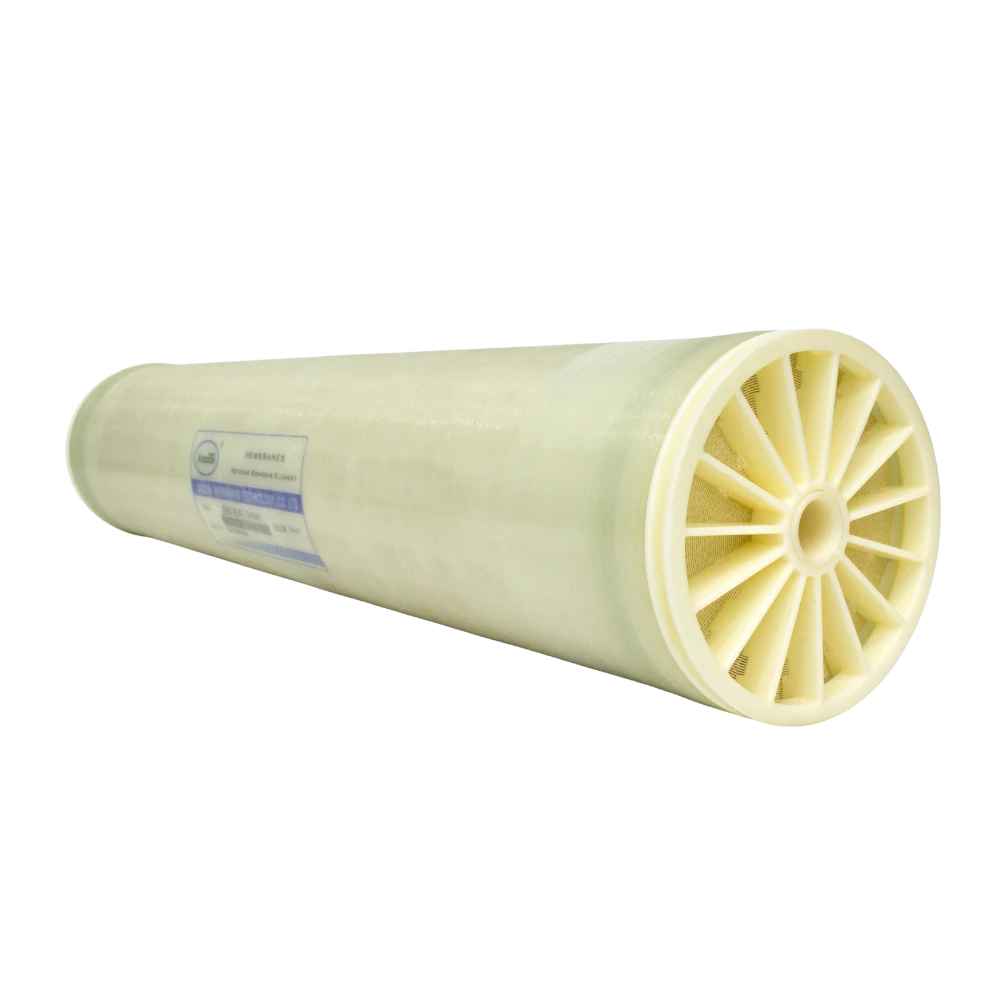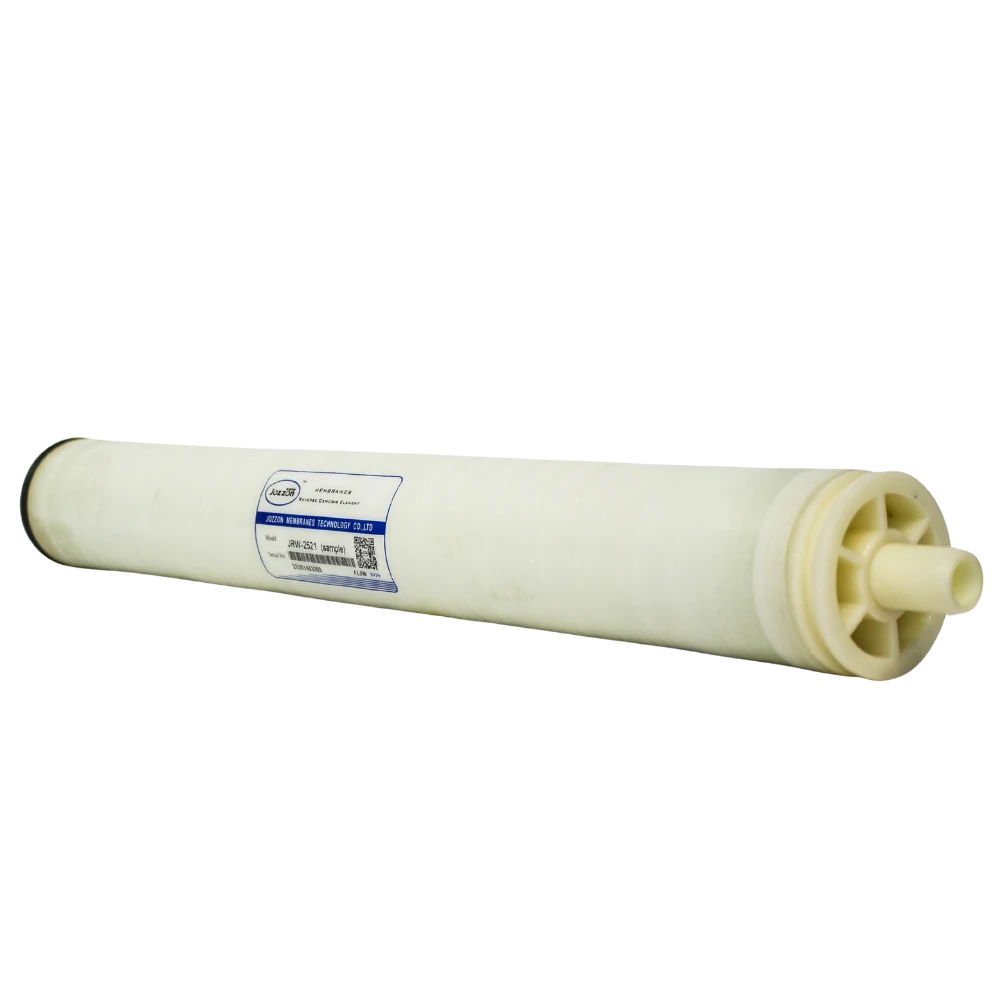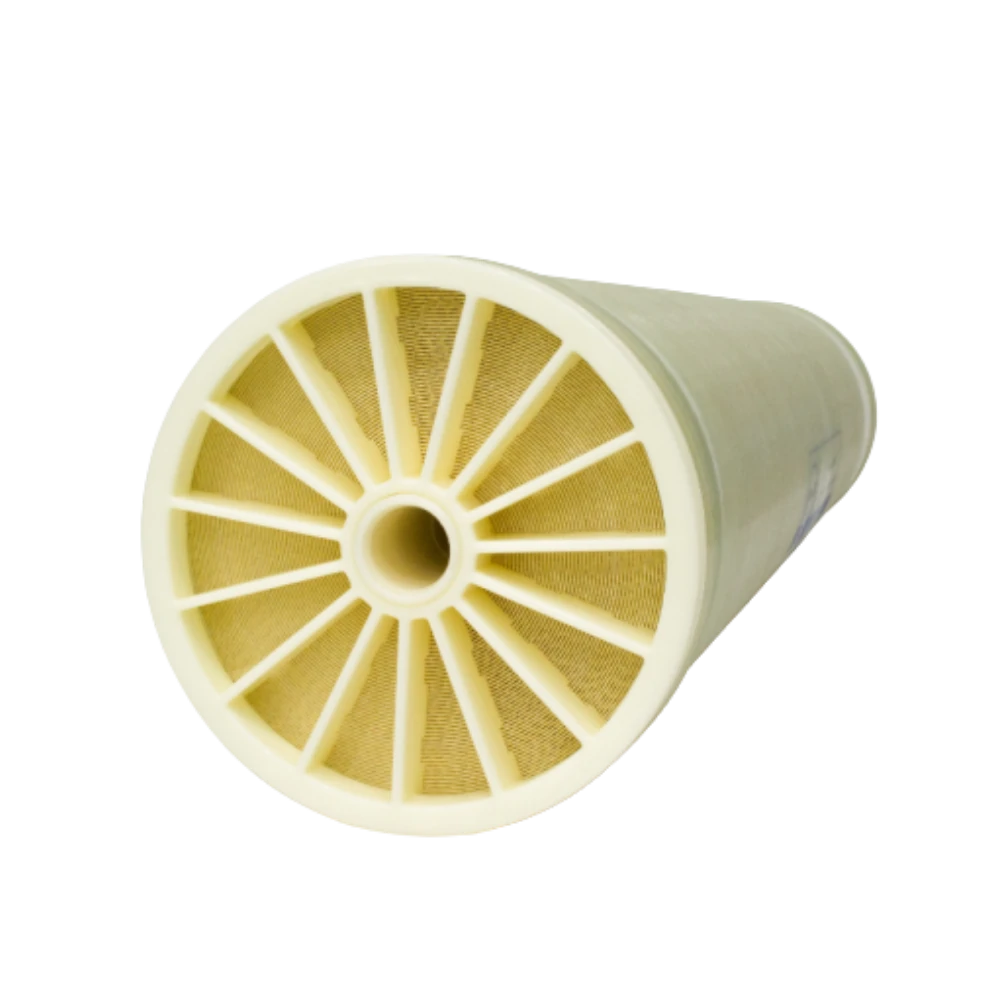

RO Membrane for Deep Mine Water
JOZZON's RO membrane for deep mine water treatment is designed for challenging mine water conditions characterized by high mineralization, elevated hardness, high sulfate concentrations, and a tendency toward membrane scaling and fouling.
Using patented membrane modification technology and a wide flow channel design, the membrane is intended to help reduce fouling-related operational challenges and support stable membrane concentration processes. When integrated into a properly designed treatment system, it can contribute to mine water reuse and salt resource recovery.
Deep Mine Water RO Membrane for Anti-Fouling Performance
Deep mine water treatment presents challenges that conventional membrane systems may struggle to manage consistently. High dissolved solids, elevated calcium and magnesium concentrations, and high sulfate levels can increase scaling risks and complicate long-term system operation. Feed-water quality may also vary between mining sites and over time.
JOZZON’s RO membrane for deep mine water treatment is developed for these demanding conditions. Its patented modification technology is intended to improve resistance to fouling, while the wide flow channel design helps manage concentration polarization within the membrane element.
The membrane can be incorporated into a treatment train that combines pretreatment, membrane concentration, and downstream evaporation and crystallization. Depending on feed-water characteristics and system design, this integrated approach can support water reuse and the recovery of valuable salt resources.
The product’s role is to provide membrane separation within a broader mine water treatment process. Overall recovery, scaling control, concentrate handling, and salt quality depend on the complete system design and operating conditions.
Key Challenges in Mine Water Treatment
Challenges in Deep Mine Water Treatment
1. High Mineralization
Mine water may contain high concentrations of dissolved salts. The supplied project brief states that TDS often exceeds 3,000 mg/L and may reach 10,000 mg/L or more in some areas, increasing the demands on membrane separation and concentrate management.
2. High Hardness and Scaling Risk
Elevated calcium and magnesium concentrations can contribute to mineral scaling when operating conditions favor precipitation. Appropriate pretreatment, recovery control, and cleaning strategies remain essential.
3. High Sulfate Concentration
Sulfate can react with calcium under suitable chemical conditions to form calcium sulfate scale. This risk must be evaluated through feed-water analysis and system design.
4. Fluctuating Feed-Water Quality
Water quality can vary by mining location, geological conditions, and season. A reliable treatment design should account for changes in TDS, hardness, sulfate, suspended solids, and other relevant constituents.
5. Water Reuse and Concentrate Management
Mine water projects may need to meet site-specific discharge requirements while maximizing water reuse and managing concentrated salts. High overall recovery generally requires coordinated membrane treatment and downstream concentrate processing.
Features & Benefits
Patented Anti-Fouling Modification Technology
JOZZON’s patented membrane modification technology is designed to improve resistance to fouling under challenging mine water conditions. The supplied product information reports a reduction in chemical cleaning frequency of more than 80%; this figure should be published with a defined comparison baseline and supporting operating data.
Wide Flow Channel Design
The wide flow channel is designed to support feed-water flow through the membrane element and help manage concentration polarization. Its practical contribution to scaling control and service life depends on feed-water chemistry, pretreatment, recovery rate, and operating conditions.
High Salt Rejection
The supplied specifications state a salt rejection range of 99.4%–99.7%. This parameter should be presented together with its test conditions so engineers can evaluate the membrane against their feed-water requirements.
Large Effective Membrane Area
With a stated effective membrane area of 400 ft² (37.2 m²), the element provides a substantial membrane surface area for separation. System capacity and element productivity must still be determined using the actual operating conditions.
Supports High-Recovery Treatment System Design
The membrane is intended for integration into mine water treatment systems that combine pretreatment and staged membrane concentration. The supplied brief reports recovery above 95% for a two-stage membrane concentration process; actual recovery depends on the complete process design and feed-water chemistry.
Designed for Water Reuse and Salt Recovery
When combined with suitable pretreatment and downstream evaporation, crystallization, and salt separation, membrane concentration can support water reuse and salt resource utilization. The final recovery rate and salt product quality depend on the full treatment train.
Available Models
|
Membrane Element Model |
Effective Membrane Area ft2 (m2) |
Water Production Flow Rate GPD (m³/d) |
Stable Desalination Rate (%) |
Minimum Desalination Rate (%) |
Inlet Channel Width mil |
|---|---|---|---|---|---|
|
JKW-8040-400/34-XFR |
400 (37.2) |
11200(42.4) |
99.7 |
99.4 |
34 |
Extreme Usage Conditions
| Maximum Operating Pressure | 600psi (4.14 MPa) |
| Maximum Influent Flow Rate | 85gpm (19 m³/h) |
| Maximum Inlet Water Temperature | 45℃ |
| Maximum Influent SDI15 | 5 |
| Influent Free Chlorine Concentration | < 0.1 ppm |
| Influent ph Range During Continuous Operation | 2~12 |
|
ph Range of Influent During Chemical Cleaning (Short-term 30-minute Period) |
1~13 |
| Maximum Pressure Drop of a Single Membrane Element | 15psi (0.1Mpa) |
Test Conditions
| Test Pressure | 225psi (1.55Mpa) |
| Test Solution Temperature | 25℃ |
| Test Solution Concentration (NaCl) | 5000ppm |
| Test Solution ph Value | 7.5 |
| Single Membrane Element Recovery Rate | 15% |
Membrane Element Size
All units shown in the diagram are millimeters (inches).