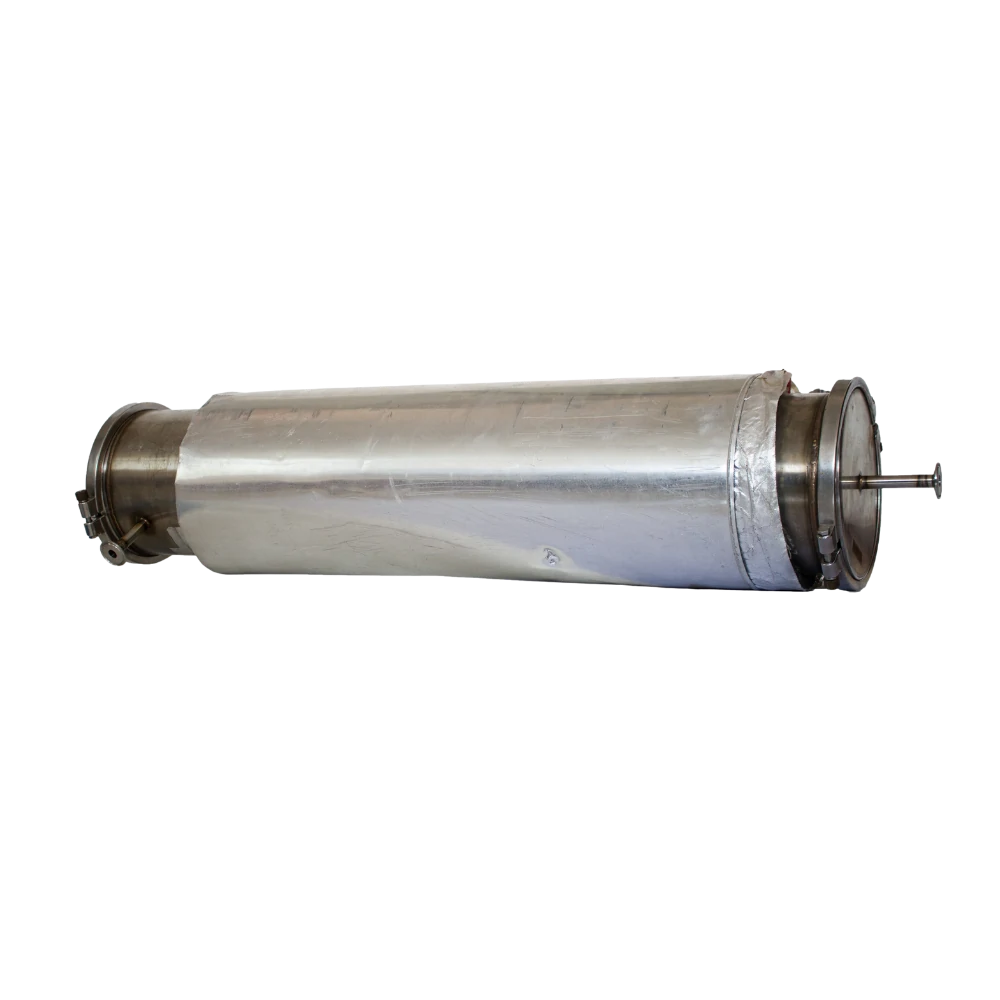
CO2 Capture Membranes
JOZZON develops and manufactures industrial gas separation membranes for carbon dioxide capture and recovery, natural gas purification, biogas upgrading, hydrogen-related gas separation, and VOC treatment.
Designed for integration into industrial separation processes, JOZZON CO2 capture membranes support membrane-based gas separation without relying on the solvent absorption approach used in conventional chemical absorption systems. The appropriate membrane configuration depends on feed-gas composition, target product purity, recovery requirements, and process conditions.
Industrial CO2 Capture Membranes
JOZZON’s CO2 capture membranes are part of its industrial gas separation product portfolio. The company’s stated development scope includes the separation of CO2 and nitrogen, methane and hydrogen, hydrogen and CO2, as well as the treatment of volatile organic compounds (VOCs).
In collaboration with research institutions, including the Chinese Academy of Sciences and Sinopec Nanhua Research Institute, JOZZON has developed membrane technologies for industrial gas separation and CO2 capture.
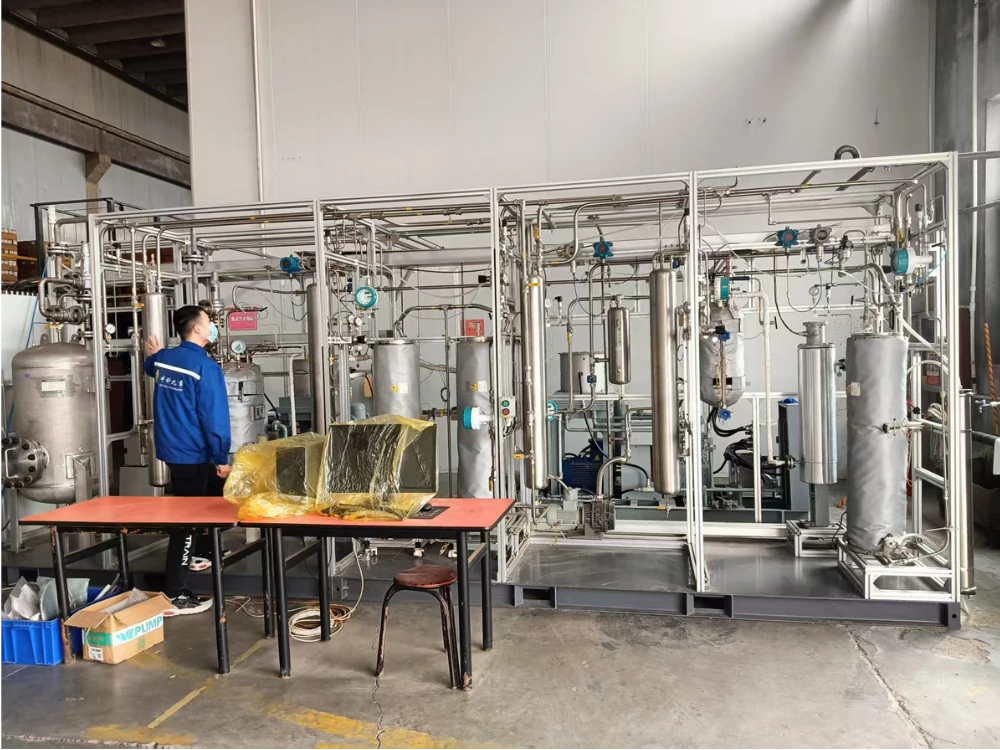
One of the company’s key applications is the treatment of boiler flue gas containing CO2. In October 2021, an industrial demonstration facility with a stated processing capacity of 50,000 Nm³/d was completed at Sinopec Nanhua Group. The project used a three-stage CO2 capture membrane system to concentrate CO2 in boiler flue gas from an initial concentration of 12–14% to a reported concentration of 95%.
This project demonstrates the application of membrane-based gas separation in industrial carbon capture. Actual separation performance depends on feed-gas composition, operating conditions, membrane configuration, and the required product specifications.
How Membrane-Based CO2 Capture Works
Membrane-based CO2 capture uses selective gas transport through a membrane to separate components of a gas mixture. Depending on the membrane properties and process configuration, the system can produce a CO2-enriched stream and a separate stream with a reduced CO2 concentration.
For industrial flue gas applications, the membrane system is designed around the incoming gas composition and the required CO2 concentration and recovery. Multiple membrane stages may be integrated to achieve the target separation performance.
JOZZON’s reported boiler flue gas demonstration used a three-stage membrane system. The process operated at ambient temperature and did not require chemical solvents for the described membrane separation process. System design and operating requirements should be evaluated for each specific project.
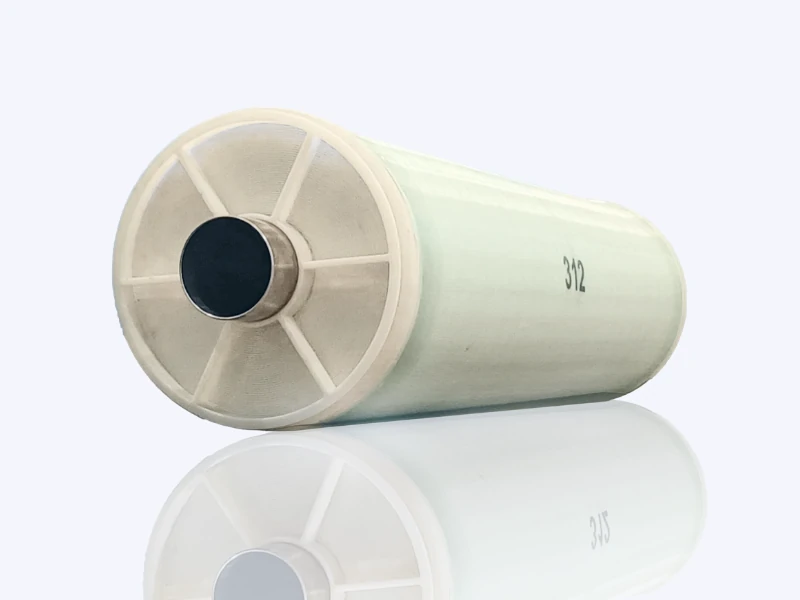
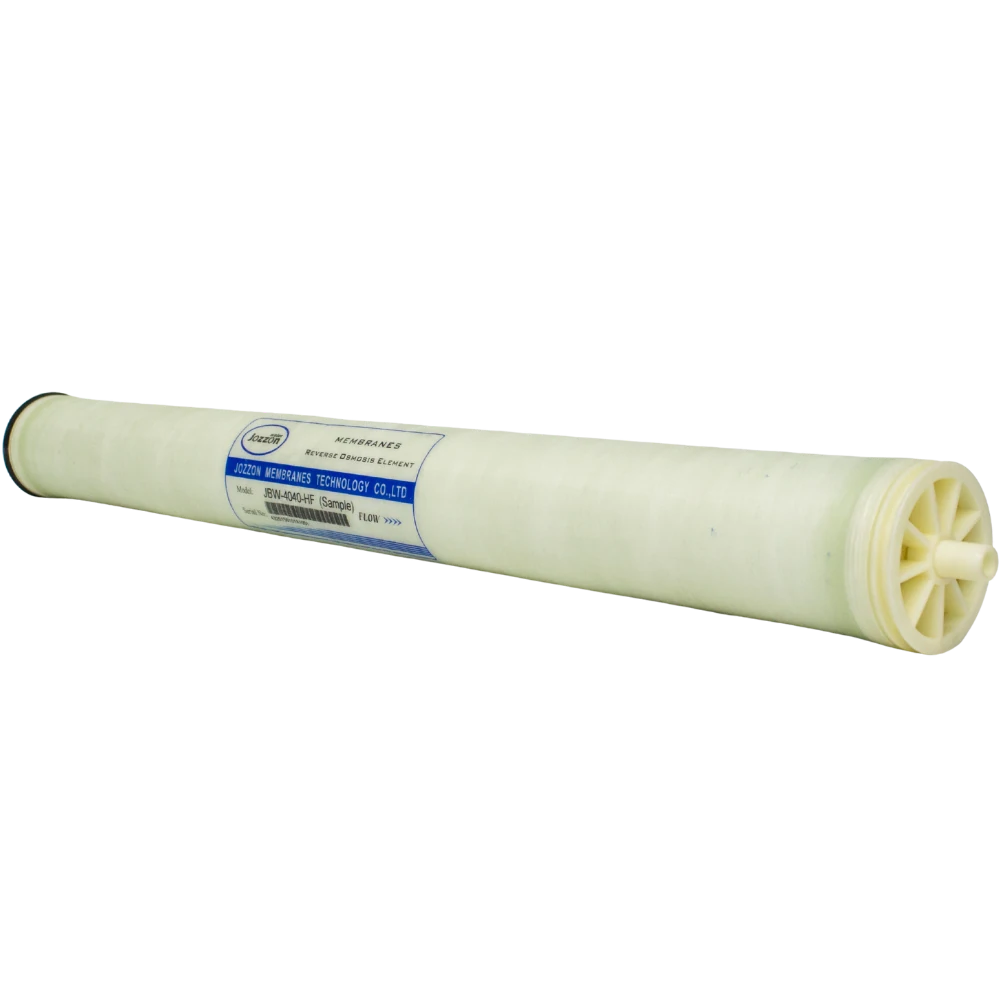
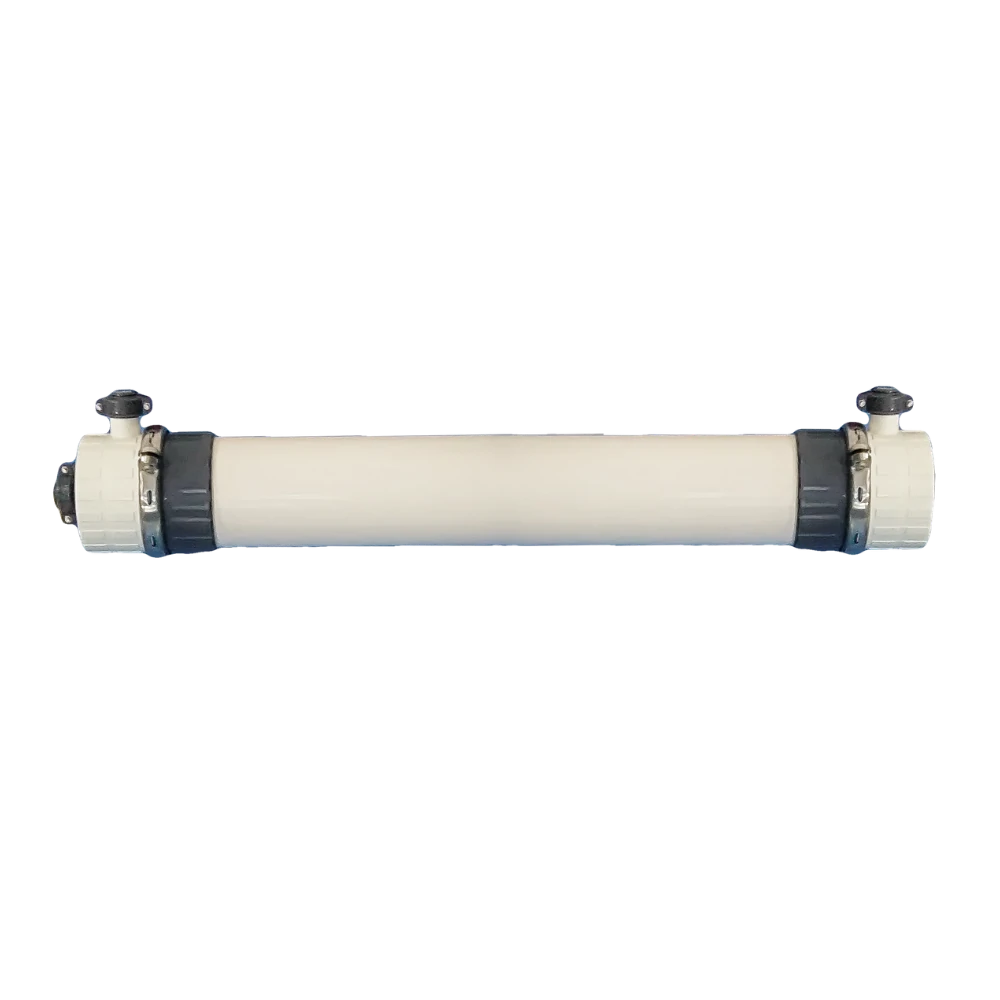
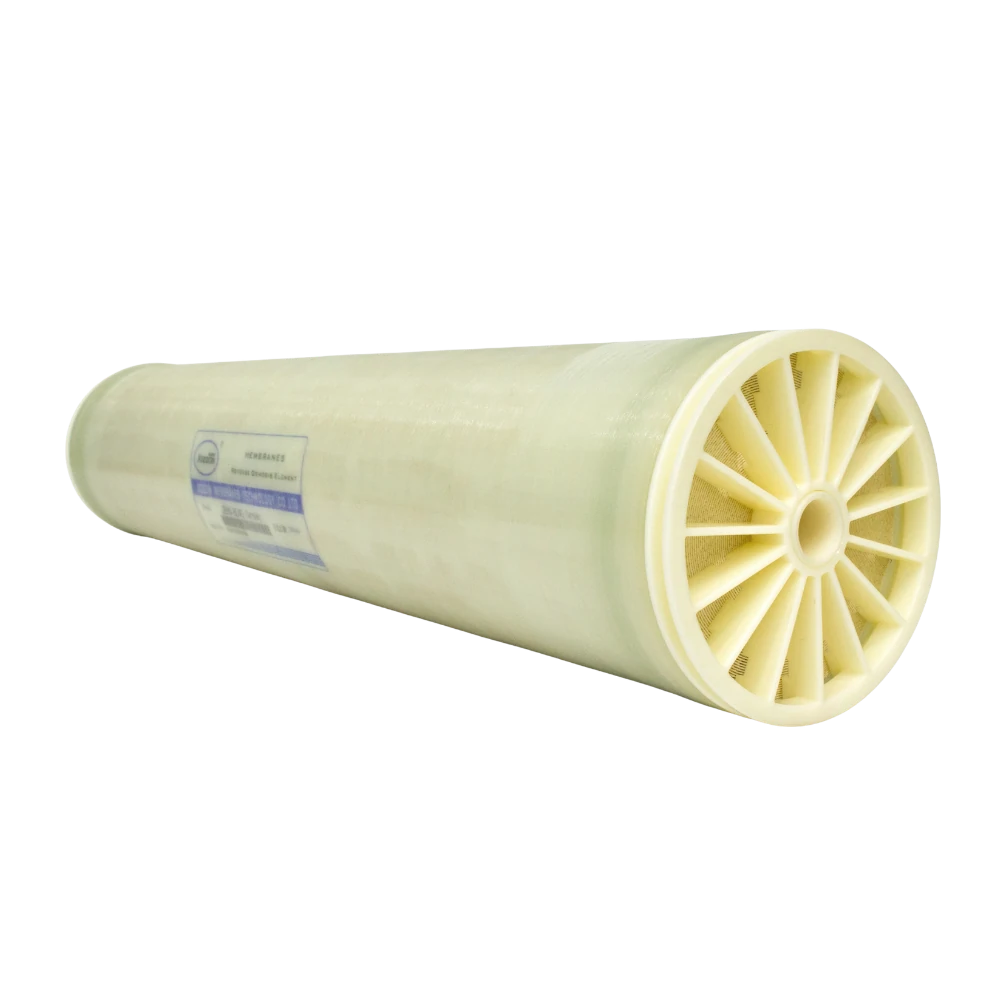
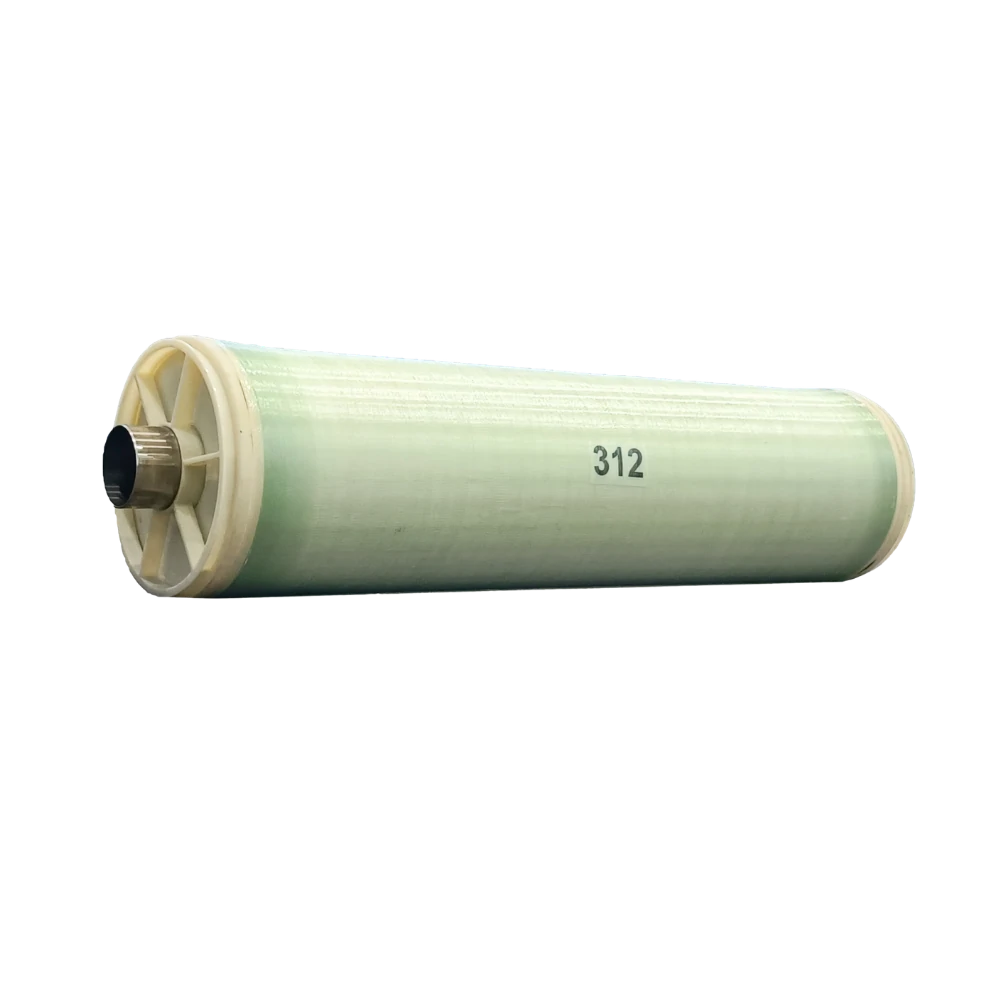
A Single Membrane Element
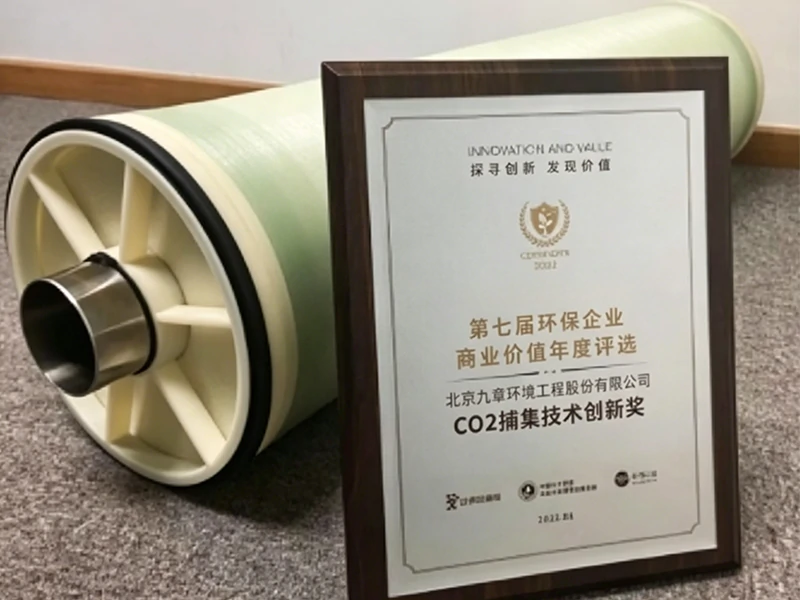
Carbon Dioxide Capture Membrane Elements
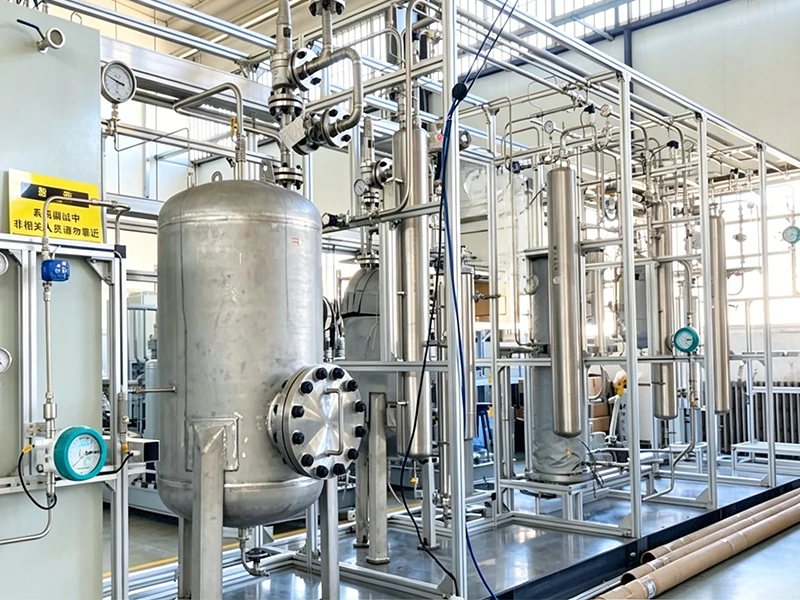
Methane Purification Facility
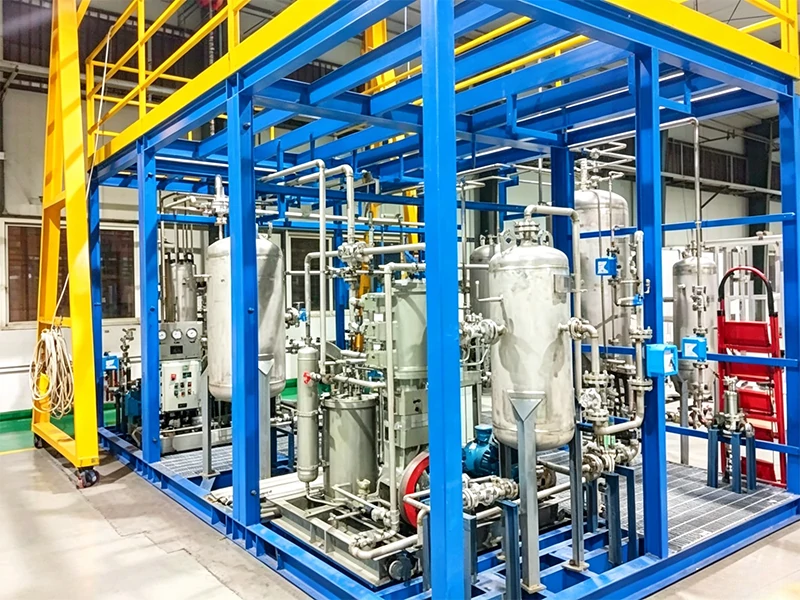
Carbon Dioxide Capture Facility On-site
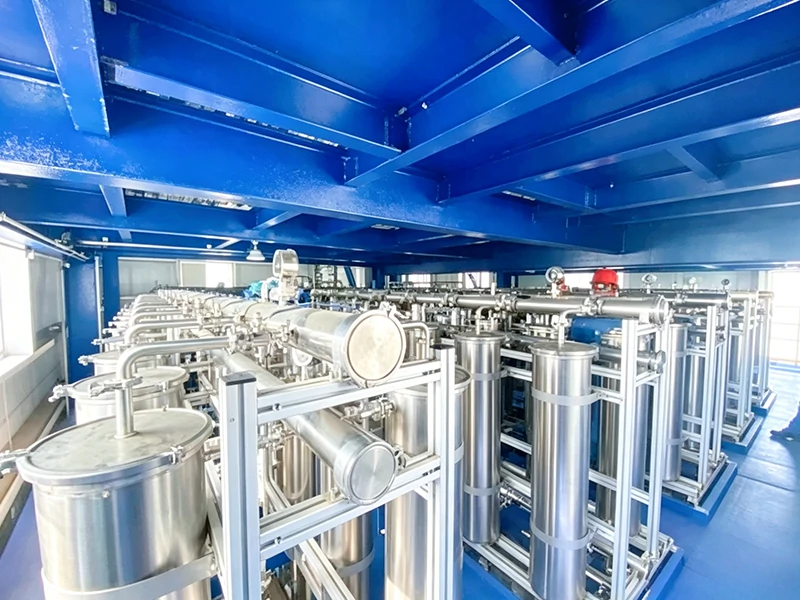
Carbon Dioxide Capture Facility On-site
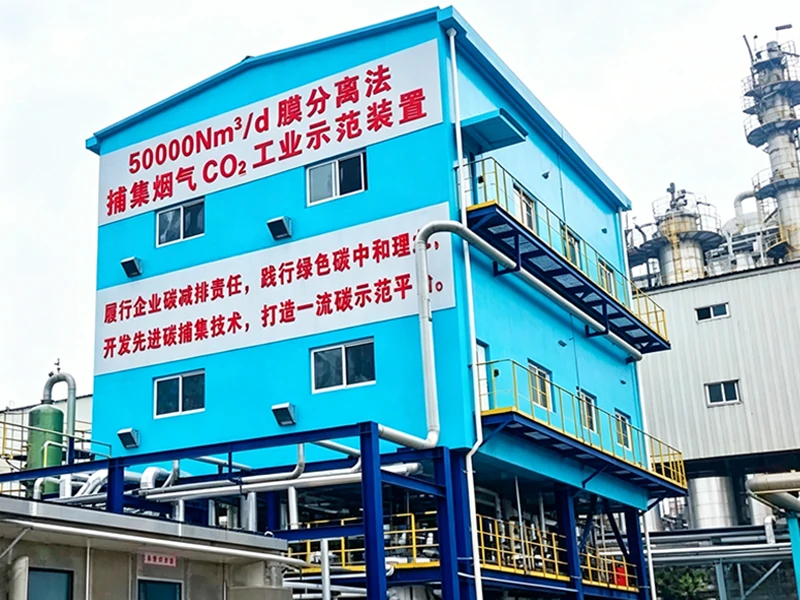
Sinopec Nanjing Chemical Group Carbon Dioxide Capture Facility On-site
Applied Industries
Natural Gas Purification
CO2 removal can help meet natural gas quality requirements and improve the suitability of gas for downstream processing and transportation. Membrane selection depends on feed-gas composition, pressure, target gas specifications, and recovery requirements.
Carbon Capture and CO2 Recovery
Membrane-based separation can be used to concentrate CO2 from suitable industrial gas streams. Captured CO2 may be directed toward further purification, utilization, or storage, depending on project requirements and the quality of the recovered gas.
Biogas Upgrading
Biogas commonly contains methane and CO2. Separating CO2 from the gas stream can increase methane concentration and support the production of upgraded biogas. The required product quality depends on its intended use.
Enhanced Oil Recovery (EOR)
Recovered CO2 may be considered for injection into suitable oil reservoirs to support enhanced oil recovery. The feasibility of this application depends on CO2 purity, compression and transportation requirements, reservoir conditions, and project economics.
VOC Emission Treatment
Membrane-based gas separation technologies may be used in selected VOC treatment and recovery applications. The appropriate solution depends on VOC composition, concentration, gas flow, and required treatment performance.