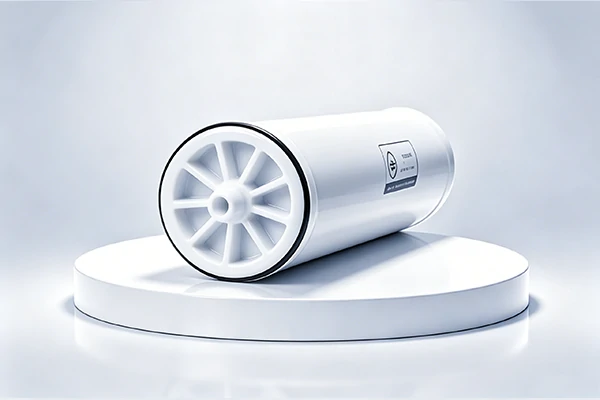
The influent to a water treatment system contains various substances that can cause membrane surface fouling, such as suspended solids, precipitates, dissolved substances, organic matter, and microorganisms. Fouling refers to the various deposits that cover the membrane surface.
The purpose of membrane system pretreatment is to minimize these pollutants. By installing a suitable pretreatment system and selecting appropriate operating conditions, the possibility of membrane element fouling can be greatly reduced. The main factors that can typically cause membrane system fouling are:
- The preprocessing system design is flawed;
- Preprocessing is not functioning properly;
- The system materials were not suitable;
- The pretreatment dosing system malfunctioned;
- The system was not flushed in a timely or sufficient manner after shutdown.
- Improper operation control;
- Deposits accumulate on the membrane surface over a long period of time;
- Changes in influent components or other conditions;
- The incoming water is contaminated by organisms.
Fouling on the membrane surface will accelerate the decline in system performance, such as reducing permeate flow rate, lowering desalination rate, and increasing the pressure difference between feed water and concentrate.
When membrane elements are confirmed to be fouled, system cleaning can be performed effectively to restore the membrane system’s performance to the maximum extent. If cleaning is delayed for too long, it will be difficult to completely remove contaminants from the membrane surface. Cleaning methods are generally divided into physical cleaning and chemical cleaning. For specific types of fouling, only by adopting the appropriate cleaning method can good results be achieved.
During normal operation, reverse osmosis elements can become fouled by inorganic scale, microorganisms, colloidal particles, and insoluble organic matter. Some criteria for determining fouling include the need to clean the membrane elements when the following conditions occur:
- Standardized water production is reduced by more than 10%;
- The standardized pressure differential between the feed water and concentrate increased by more than 15%;
- Standardized salt permeability increased by more than 5%.
The above standard comparison conditions are taken from the system’s operational performance parameters after the first 48 hours of operation.
1. Types of membrane fouling
(1) Types of inorganic scaling
Silica gel, iron colloid, aluminum colloid, barium sulfate, strontium sulfate, calcium sulfate, calcium phosphate, calcium carbonate, etc.
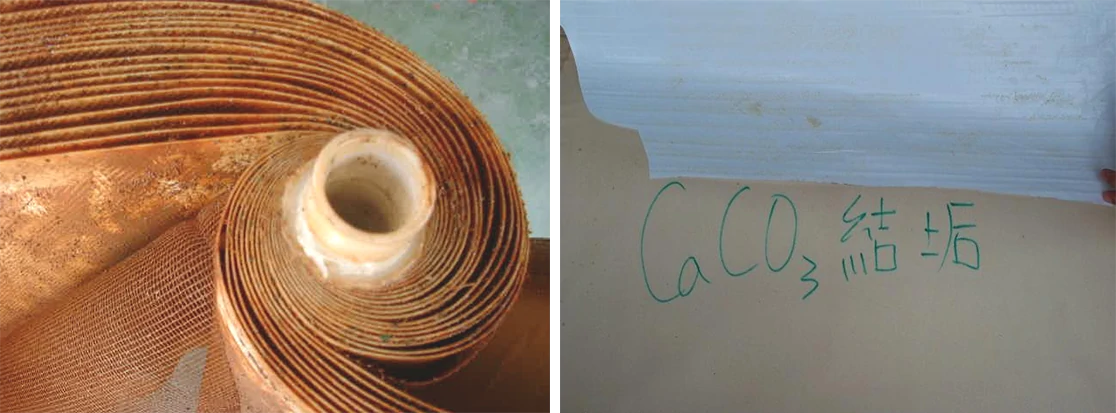
Iron oxide calcium carbonate
(1) Microbial contamination
Larger microorganisms, such as algae and invertebrates, can clog the flow channels of membrane elements, causing the pressure differential of the membrane system to rise. More microbial contamination will adhere to the surface of the membrane elements, clogging the membrane pores, leading to an increase in the operating pressure of the membrane system and a decrease in water production.
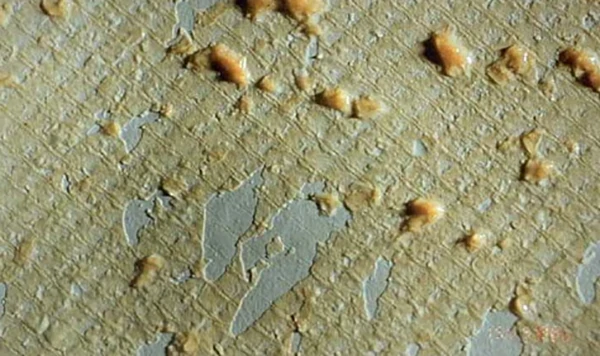
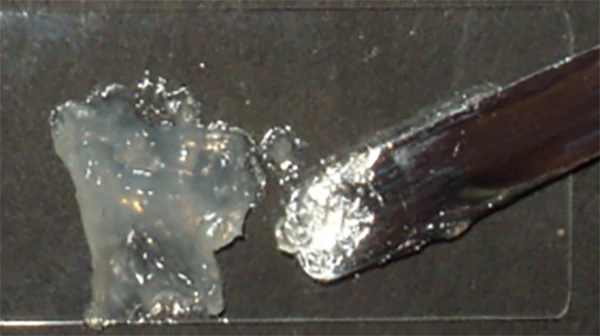
Photographs of the membrane surface after dissection of the membrane element
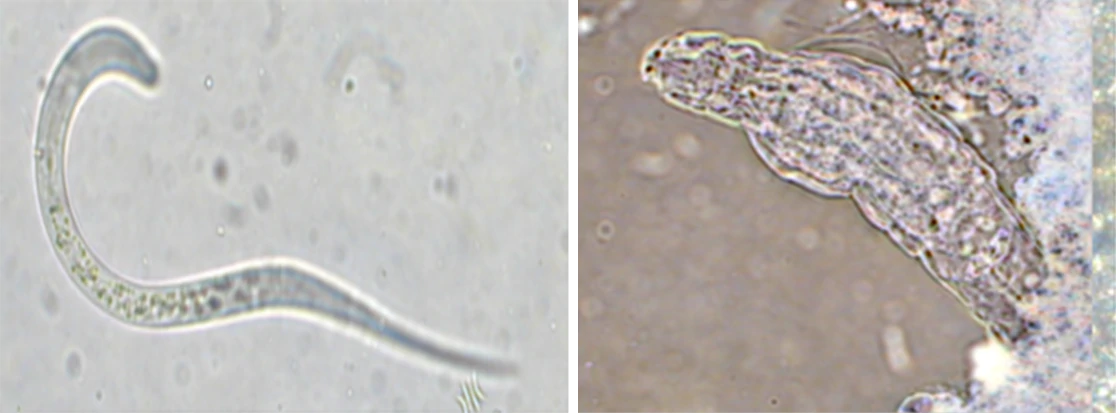
Electron microscope images
(2) Organic pollution
Hydrocarbons, proteins, carbohydrates, fats, fibrous materials, lignin, dyes, waxes, paraffin wax, pulp, heavy crude oil, and light engine oil.