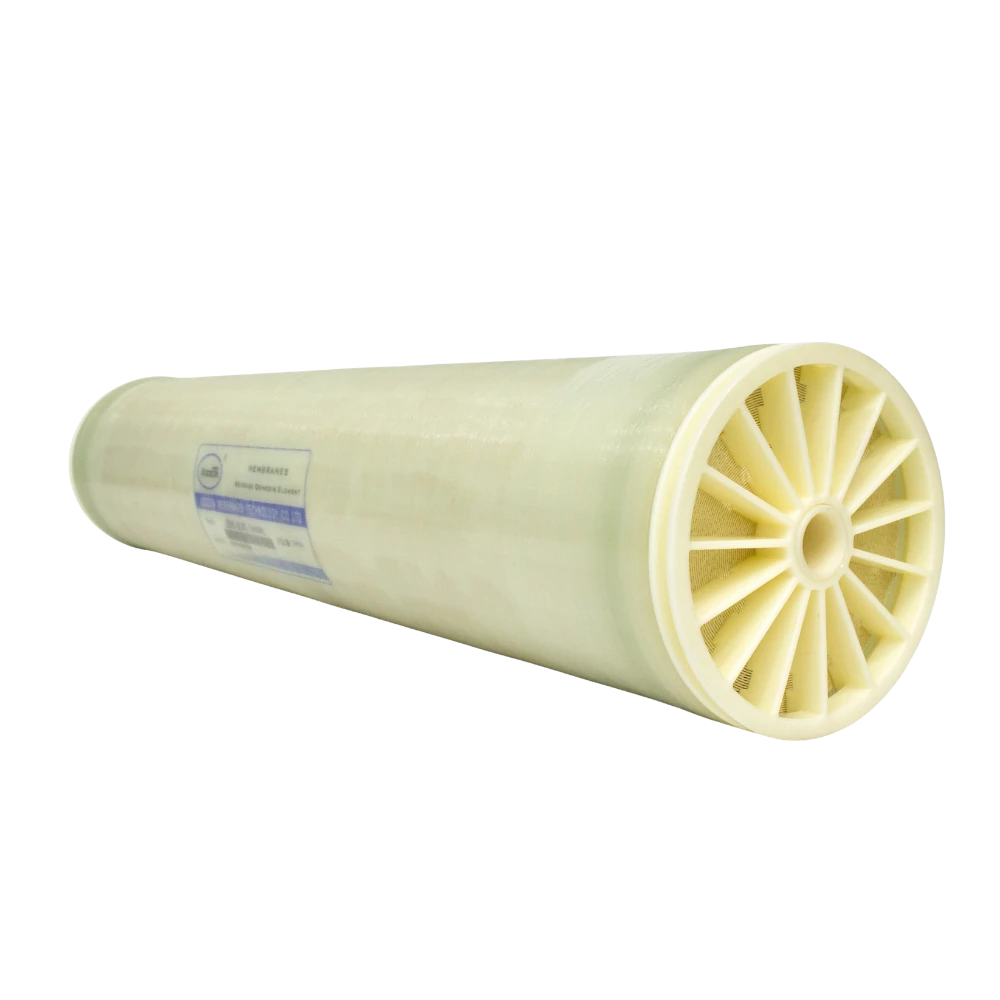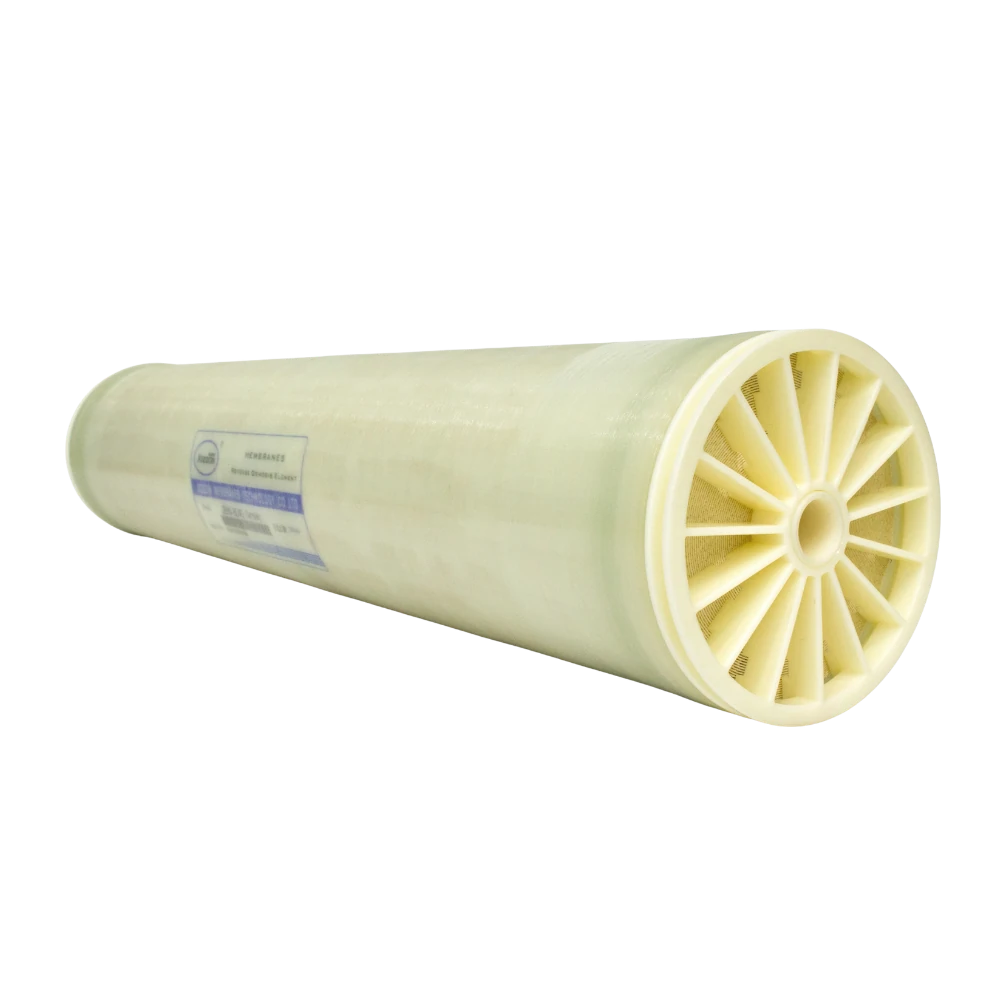
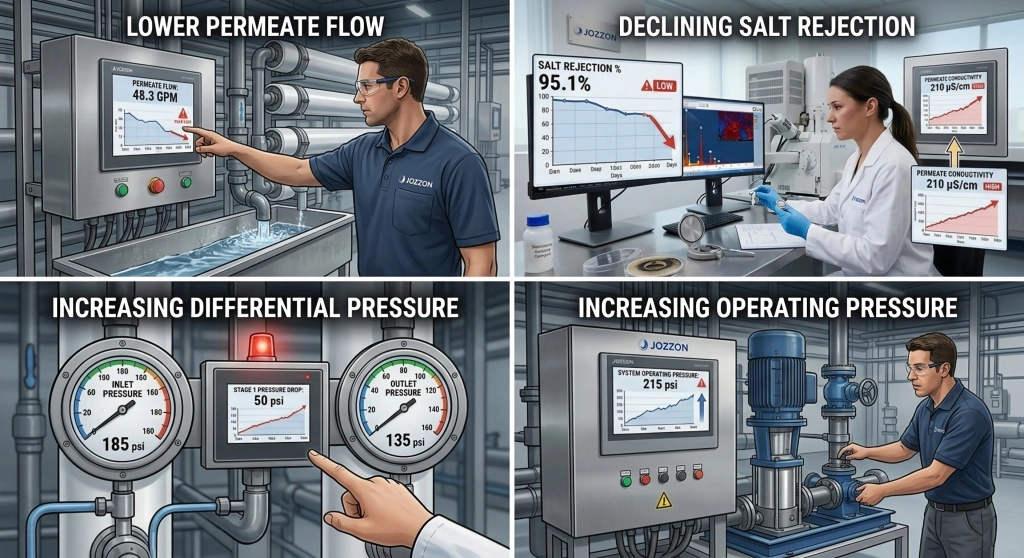
Reverse osmosis (RO) systems are designed to deliver stable permeate flow and water quality, but membrane performance can decline during operation. Common warning signs include lower permeate flow, higher product-water conductivity, increasing differential pressure, and greater pressure requirements to maintain the same output. These changes are often associated with membrane fouling, scaling, inadequate pretreatment, chemical exposure, or unfavorable operating conditions.
Understanding the cause of RO membrane performance decline is more important than simply identifying that performance has dropped. Lower water production does not automatically mean the membrane needs to be replaced. By comparing current operating data with baseline conditions and evaluating flow, salt rejection, pressure, and feed-water chemistry together, operators can determine whether performance can be restored through cleaning or process adjustments.
What Does RO Membrane Performance Mean?
RO membrane performance refers to how effectively a membrane element produces purified water while rejecting dissolved salts under defined operating conditions. In industrial settings, evaluating RO membrane performance efficiency requires tracking a combination of key metrics rather than relying on a single data point:
- Permeate Flow Rate: The volume of clean water produced per unit of time, which must be normalized against feed temperature and pressure to reflect true membrane health.
- Salt Rejection & Permeate Conductivity: The percentage of total dissolved solids (TDS) blocked by the active polyamide skin layer.
- Differential Pressure: The hydraulic pressure drop between the feed inlet and concentrate outlet of a pressure vessel.
- Operating Pressure: The applied hydraulic force required to overcome osmotic pressure and drive pure water through the membrane pores.
Comparing normalized performance with historical or baseline data provides a more reliable indication of actual membrane condition. When feed-water quality and operating conditions remain within the design range, a healthy membrane system should maintain relatively stable performance. Consistent changes across several indicators are more meaningful than an isolated change in one parameter.
Key Signs of RO Membrane Performance Decline
Identifying membrane performance decline early gives operators an opportunity to address the underlying problem before it becomes difficult or impossible to reverse.
Lower Permeate Flow
A noticeable reduction in permeate production is one of the most common signs of declining performance. If you are wondering why does RO membrane lose flow, the cause may be fouling, scaling, feed-channel restriction, reduced net driving pressure, temperature changes, compaction, or membrane damage.
A low water production RO membrane should therefore be investigated rather than immediately replaced. First determine whether the flow reduction remains after accounting for changes in temperature, pressure, feed concentration, and other operating conditions.
Declining Salt Rejection
When permeate conductivity or TDS increases, the membrane may be losing its ability to reject dissolved salts. A persistent decline in salt rejection can indicate chemical or oxidative damage, mechanical damage, seal problems, or membrane deterioration.
Unlike a flow decline caused by reversible fouling, a significant and persistent rejection loss may indicate irreversible damage that cannot be corrected through conventional cleaning.
Increasing Differential Pressure
An increase in differential pressure between the feed and concentrate ends indicates greater resistance to feed-water flow. Fouling, biofouling, suspended solids, and scaling can restrict the feed channel and increase hydraulic resistance.
Monitoring differential pressure over time can therefore provide an early warning of developing membrane fouling or other flow restrictions.
Increasing Operating Pressure
If higher feed pressure is required to maintain the same permeate flow, membrane or feed-channel resistance may have increased. Fouling, scaling, compaction, and changes in feed-water conditions can all contribute to this effect.
Operating pressure should therefore be evaluated together with permeate flow, differential pressure, temperature, and feed-water chemistry rather than treated as an isolated indicator.
Why Does an RO Membrane Lose Performance?
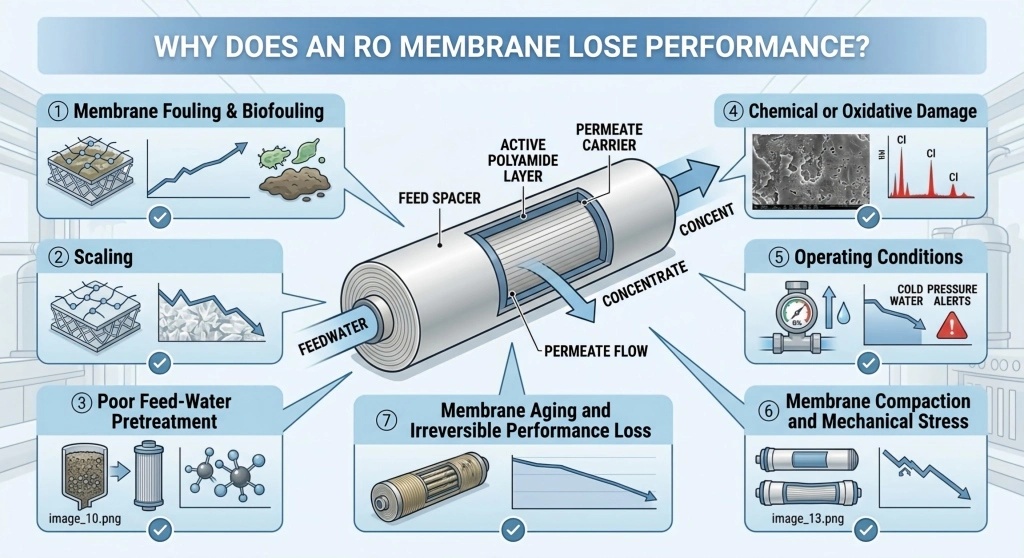
A decline in RO membrane performance rarely has a single cause. Several mechanisms may occur simultaneously, making systematic diagnosis important.
Membrane Fouling & Biofouling
Membrane fouling occurs when suspended solids, colloids, organic materials, or other contaminants accumulate on the membrane surface or within the feed channel. Biofouling occurs when microorganisms attach to the membrane and form biological layers that restrict water transport.
As the fouling layer develops, membrane resistance increases, permeate flow decreases, and pressure requirements may rise. Early-stage fouling may be reversible through appropriate cleaning, while severe or prolonged fouling can become increasingly difficult to remove.
Scaling
Scaling occurs when sparingly soluble minerals exceed their solubility limits and precipitate within the membrane system. Calcium carbonate, calcium sulfate, silica, and other mineral deposits can restrict the membrane surface and feed channels.
Scaling commonly results in reduced permeate flow and increased pressure requirements. Effective scale control therefore depends on appropriate pretreatment and operation within the membrane system’s design limits.
Poor Feed-Water Pretreatment
RO membrane performance is strongly influenced by the quality of water entering the membrane. Effective RO membrane pretreatment helps control fouling, scaling, and chemical exposure before feed water reaches the membrane. Inadequate filtration, ineffective softening, incorrect antiscalant dosing, or overdue cartridge-filter replacement can allow foulants and scalants to reach the membrane surface.
Pretreatment should be treated as part of the membrane protection strategy. Correcting an upstream pretreatment problem may be more effective than repeatedly cleaning or replacing the membrane.
Chemical or Oxidative Damage
Thin-film composite polyamide membranes are vulnerable to oxidizing agents such as free chlorine and ozone. Exposure to strong oxidants can damage the polymer structure and cause a permanent reduction in salt rejection.
Operating outside recommended chemical or pH conditions can also contribute to membrane degradation. When salt rejection decreases without corresponding signs of fouling, chemical or oxidative damage should be considered.
Operating Conditions
Changes in operating conditions can affect membrane performance even when the membrane itself has not deteriorated. Feed-water temperature, pressure, TDS, recovery, and concentration polarization all influence permeate production.
For example, colder feed water increases water viscosity and can reduce permeate flow. Excessive recovery can also concentrate foulants and scaling-forming substances beyond manageable levels.
Membrane Compaction and Mechanical Stress
Excessive hydraulic pressure or sudden pressure surges can contribute to structural compaction of the membrane element. Compaction can permanently reduce water permeability and result in lower permeate production.
Operating within the manufacturer’s recommended pressure range and avoiding unnecessary pressure fluctuations can help reduce this risk.
How to Check RO Membrane Performance
Effective troubleshooting requires more than checking whether water production has decreased. A systematic evaluation should compare current performance with a reliable baseline while also examining feed-water quality and operating conditions.
Compare Current Performance with Baseline Data
Raw operating data can be misleading because feed-water temperature, conductivity, pressure, and concentration change over time. Operators should compare current results with commissioning or historical data under normalized conditions.
Important parameters include:
- Permeate flow
- Feed and concentrate pressure
- Differential pressure
- Permeate conductivity
- Feed TDS
- Feed temperature
- Recovery
Normalized permeate flow provides a more meaningful basis for determining whether an actual performance loss has occurred.
Inspect Feed-Water Pretreatment & Chemistry
Feed-water conditions should be reviewed whenever membrane performance changes. Key checks may include Silt Density Index (SDI), turbidity, residual free chlorine, oxidation-reduction potential (ORP), and antiscalant dosing accuracy.
Pretreatment equipment should also be inspected for filtration problems, chemical-dosing errors, or other conditions that could increase the membrane’s exposure to foulants, scalants, or oxidants.
Perform Autopsy or Diagnostic Testing
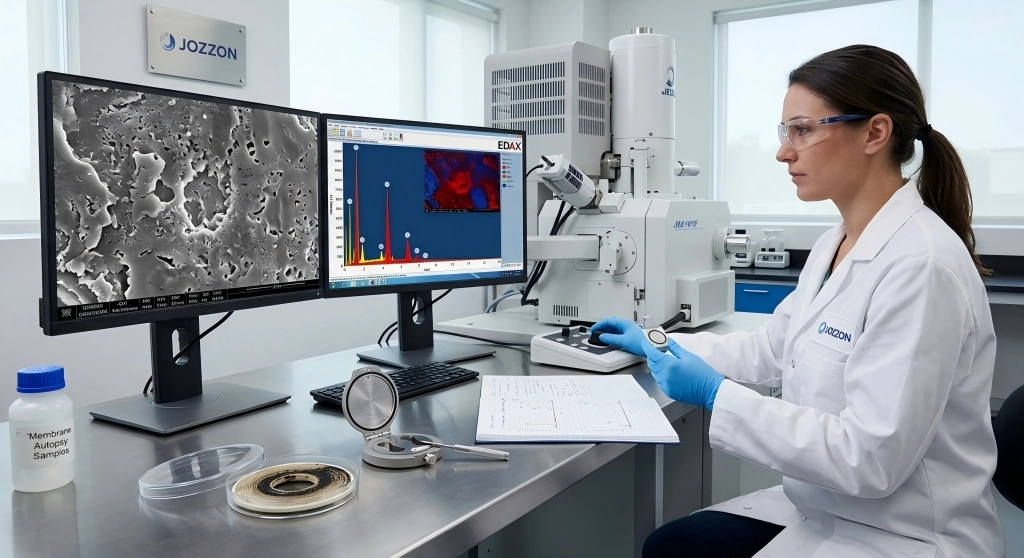
For persistent or unexplained performance problems, single-element testing or membrane autopsy can provide more detailed information about the cause.
Analytical techniques such as scanning electron microscopy (SEM) and energy-dispersive X-ray spectroscopy (EDX) can help identify foulant composition and evidence of chemical damage. This type of testing is particularly useful when recurring problems need to be traced to a specific contaminant or failure mechanism.
Evaluate Multiple Indicators Together
The most reliable diagnosis comes from evaluating flow, salt rejection, and differential pressure together.
|
Performance Symptom |
Possible Cause |
|
Lower permeate flow + higher differential pressure |
Fouling or scaling |
|
Lower flow + stable salt rejection |
Fouling, scaling, or operating conditions |
|
Higher permeate conductivity + lower salt rejection |
Chemical, oxidative, or mechanical damage |
|
Higher pressure requirement + lower flow |
Fouling, scaling, or compaction |
|
Sudden rejection loss |
Membrane damage, seal failure, or integrity problem |
These relationships are diagnostic indicators rather than absolute rules. The actual cause should be confirmed through operating history, feed-water analysis, and system-specific testing.
How Can RO Membrane Performance Be Restored?
Once the cause has been identified, corrective action should address the underlying problem rather than simply increasing operating pressure.
Optimize Pretreatment
Pretreatment should be adjusted to control the contaminants responsible for fouling, scaling, or membrane damage. Depending on the application, this may involve improving particulate removal, controlling scaling potential, maintaining effective dechlorination, managing biological growth, or correcting chemical dosing.
Stable pretreatment is fundamental to maintaining long-term RO membrane performance.
Perform Appropriate Membrane Cleaning
Cleaning can restore performance when the decline is caused by reversible fouling or scaling. Proper RO membrane cleaning and maintenance is essential for recovering performance and preventing recurring fouling. However, cleaning chemistry should be selected according to the type of deposit rather than applied as a generic procedure.
Chemical concentration, pH, temperature, circulation, contact time, and rinsing should be controlled according to the membrane manufacturer’s recommendations. If performance recovery remains limited after appropriate cleaning, repeated CIP may not address the underlying problem and can increase chemical exposure.
Review Operating Conditions
Review feed pressure, recovery, crossflow, feed temperature, and feed-water quality to confirm that the system remains within the manufacturer’s recommended operating range.
Correcting an unfavorable operating condition can sometimes recover apparent performance losses without replacing the membrane.
Determine Whether Membrane Replacement Is Necessary
Replacement should be considered when performance remains below an acceptable level after appropriate cleaning and operating adjustments.
Persistent low permeate flow, sustained salt-rejection loss, abnormal differential pressure, or confirmed irreversible chemical or mechanical damage may indicate that the membrane has reached the practical end of its service condition.
Replacing a membrane without identifying the original cause, however, can lead to the same problem with the new elements. Root-cause analysis should therefore precede replacement whenever possible.
How to Prevent RO Membrane Performance Decline
Preventing performance loss is generally more effective than attempting to recover a severely fouled or damaged membrane. A practical monitoring program should include regular measurement of normalized permeate flow, salt rejection, permeate conductivity, differential pressure, and feed-water quality.
Operators should also maintain effective pretreatment, control recovery and operating pressure, prevent oxidant exposure, and initiate cleaning when performance trends indicate developing fouling or scaling.
Consistent operating records are equally important. Tracking normalized performance over time makes it easier to identify gradual changes before they become major production problems.
When Should You Clean or Replace an RO Membrane?
The decision to clean or replace an RO membrane should be based on performance trends and the likely cause of deterioration.
Consider cleaning when:
- Normalized permeate flow has declined noticeably.
- Salt passage has increased.
- Differential pressure has increased.
- Fouling or scaling is the likely cause.
- The membrane is expected to respond to appropriate cleaning.
Consider replacement when:
- Permeate quality remains outside operational targets after appropriate cleaning.
- Performance does not recover after corrective actions.
- The membrane has suffered irreversible chemical or mechanical damage.
- Salt rejection remains significantly below the expected level.
- Permeate production remains unacceptably low.
A practical decision process is to verify operating conditions, compare normalized performance with baseline data, identify the likely cause, perform the appropriate corrective action, and then reassess performance. This helps distinguish a recoverable performance problem from permanent membrane deterioration.
Conclusion
RO membrane performance can decline because of fouling, scaling, inadequate pretreatment, chemical exposure, unfavorable operating conditions, mechanical stress, or long-term deterioration. The same symptom, such as low permeate flow, can have several different causes, so replacing the membrane should not be the first response.
A systematic approach—combining normalized flow, salt rejection, differential pressure, operating conditions, and feed-water chemistry—provides a more reliable way to identify the source of performance loss and determine whether cleaning, process adjustment, or replacement is appropriate.
JOZZON provides a range of industrial RO membranes designed for different feed-water conditions and performance requirements., supported by membrane technology, manufacturing expertise, and application-focused technical analysis. Contact JOZZON to discuss your feed-water conditions and RO membrane performance requirements.