Why deionization?
Because water-using equipment is vulnerable to scaling, corrosion, and salt accumulation.
How is deionization achieved?
Through membranes, resin beds, and evaporators—employing fixed-precision filtration, full-volume precision ion exchange, and concentrating pure water while allowing impurities to escape.
What threatens deionization equipment?
Specific ions. Which ones? And what harm do they cause? Scaling, oxidation, and poisoning. The culprits: hardness, silica, free chlorine, iron ions, and more.
What is hardness?
A measure of the total concentration of divalent and trivalent ions in water—essentially, the capacity of calcium and magnesium ions to precipitate soap. It reflects the concentration of calcium and magnesium in the water.
What is temporary hardness?
Carbonate hardness, a subset of total hardness. It is formed when calcium and magnesium ions combine with bicarbonate ions and the small amount of carbonate present in water.
What is permanent hardness?
Also known as non-carbonate hardness. When calcium and magnesium exceed the levels of carbonate and bicarbonate in water, the surplus binds with chlorides, sulfates, and nitrates to form non-carbonate hardness, which cannot be removed by boiling.
Silica is a top priority. It exists in three forms: total silica, colloidal silica, and reactive silica. There are many methods for silica removal.
The critical few are the core drivers of success or failure. Strontium and barium cause irreversible scaling and demand special attention; otherwise, major incidents are inevitable. This requires heightened vigilance and a clear understanding of the stakes.
Free chlorine, iron ions, and similar species can oxidize or poison membranes, leading to direct failure.
When adopting membrane technology to achieve the core function of deionized water, it is essential to understand its vulnerabilities and avoid them accordingly.
Concentration is the inevitable outcome; makeup water is the solution.
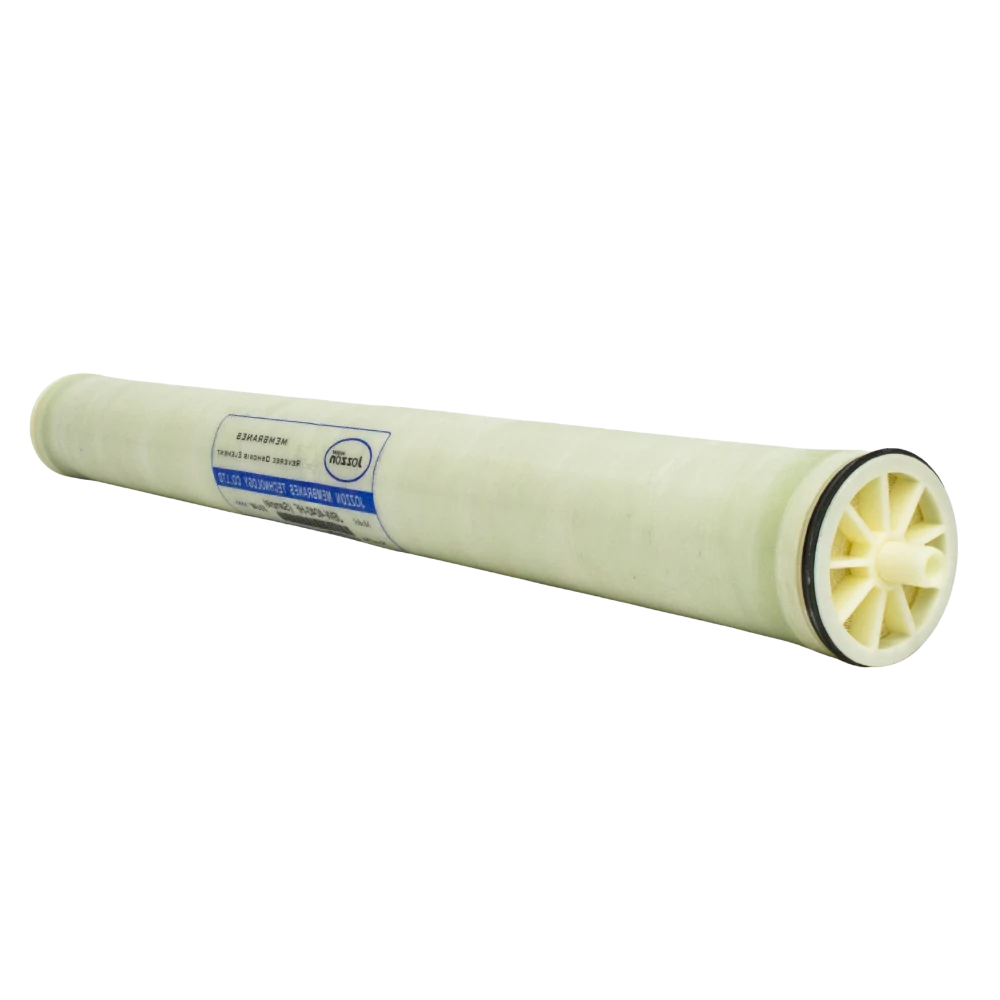
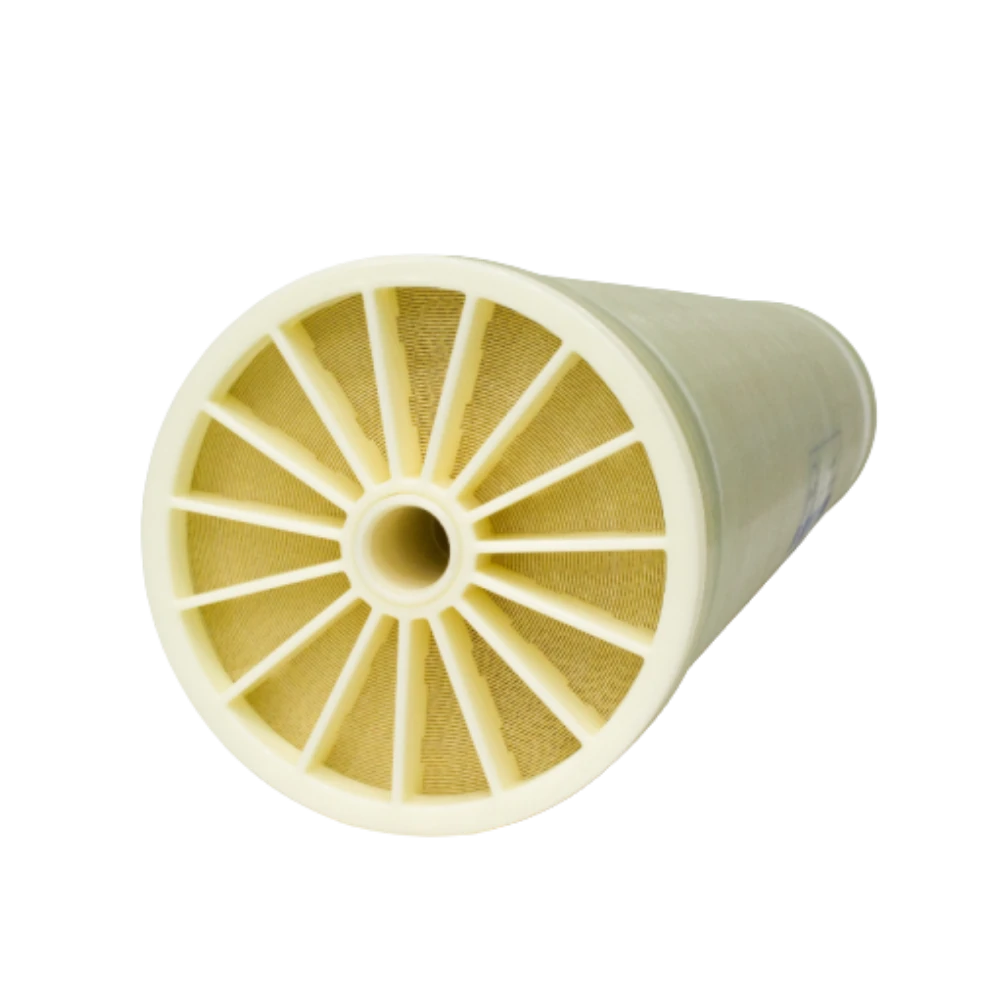
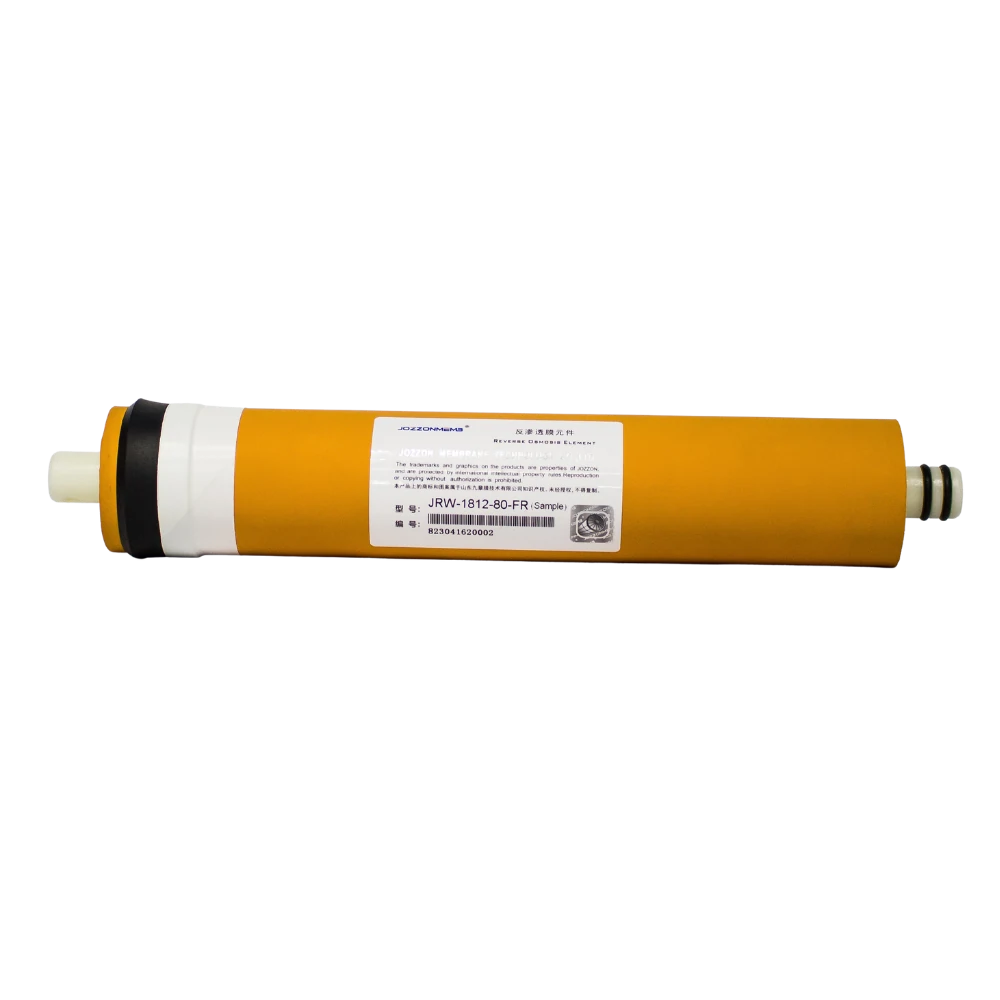
The quality of makeup water determines system operating conditions, control parameters, equipment lifespan, and operating costs. Therefore, using purified water as makeup is the optimal choice. Membranes are the primary consumable, and Jozzon’s sales efforts should promote such projects—replacing chemicals with membranes, providing end-users with a long-term, maintenance-free solution.
All operating conditions demand purity; therefore, membranes are universally applicable.
Why pursue reclaimed water reuse?
Value creation, environmental compliance upgrades, and water consumption control.
1. National regulations set water consumption limits per ton of product, driving the development of an energy-efficient society.
2. National policies control raw water quality, aiming to reduce reliance on municipal tap water.
2. Environmental standards are being raised, requiring that discharge quality falls below background water body levels.
Every policy mandates serious attention from all stakeholders—and beneath the surface lies the real picture:
Power plants / cogeneration plants / district heating plants have varying water quality requirements and volumetric demands.
- In power plants, larger boilers demand higher water quality but require only about 2% makeup water, as 98% of steam is condensed and returned to the boiler via circulating cooling water—this is a pure condensing unit.
- In cogeneration plants, boilers are relatively smaller, water quality requirements are lower, but makeup water demand is significantly higher. This is because back-pressure turbines send steam after power generation to industrial or municipal heating systems, essentially requiring 100% makeup.
- District heating plants operate boilers without steam turbines, so monovalent ion removal is unnecessary, as salt accumulation is not a concern.