Common Challenges in Industrial Water Treatment
Industrial water treatment systems must address varying feed water quality and operational requirements.
High TDS
Dissolved salts may require RO treatment to meet water quality targets.
Suspended Solids
Particles and colloids can affect downstream filtration and membrane performance.
Scaling and Fouling
Suitable pretreatment and membrane selection help maintain stable operation.
Water Reuse
Effective treatment can support water recovery and reduce freshwater demand
Membrane Technologies for Industrial Water Treatment
Different membrane technologies provide different separation capabilities. Selecting the right solution depends on feed water characteristics and treatment objectives.
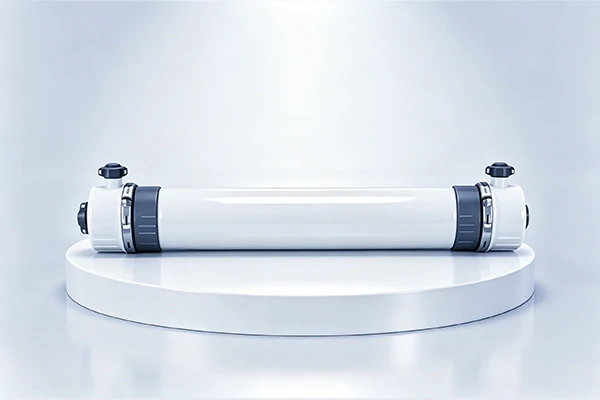
UF removes suspended solids and colloidal particles within its separation range. Industrial UF membranes can serve as pretreatment for RO systems or support other filtration processes.
UF does not effectively remove most dissolved salts, so additional treatment may be required.
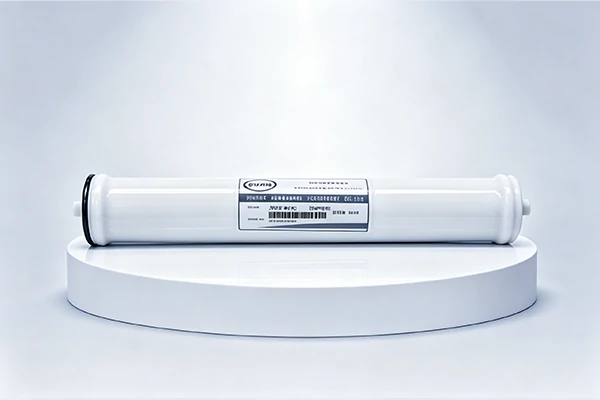
RO reduces dissolved salts and other retained substances, making it suitable for industrial process water purification and feed water preparation.
Selecting an RO membrane for industrial process water requires consideration of feed water quality, operating pressure, recovery targets and required permeate quality. For challenging feed water, a high-fouling-resistant RO membrane for industrial water may be evaluated alongside appropriate pretreatment.
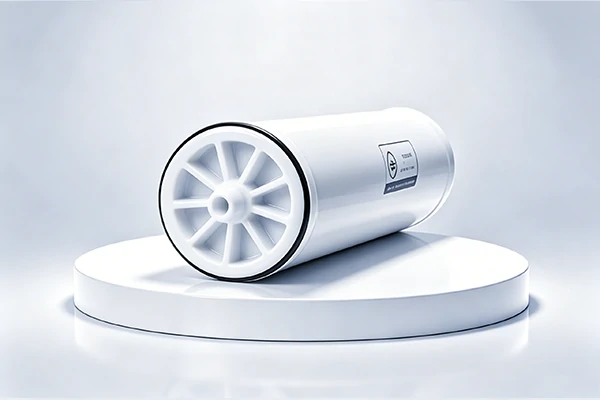
NF provides selective separation for applications requiring hardness reduction or the removal of certain multivalent ions and organic substances.
Industrial NF membrane selection depends on feed water composition, membrane characteristics and the desired treatment outcome.
A Typical Membrane-Based Industrial Water Treatment Process
Membrane processes in water treatment typically combine feed water analysis, pretreatment, membrane separation and post-treatment where necessary.
Raw Water Analysis
Pretreatment
UF / RO / NF, as Required
Post-Treatment, if Needed
Industrial Water Use
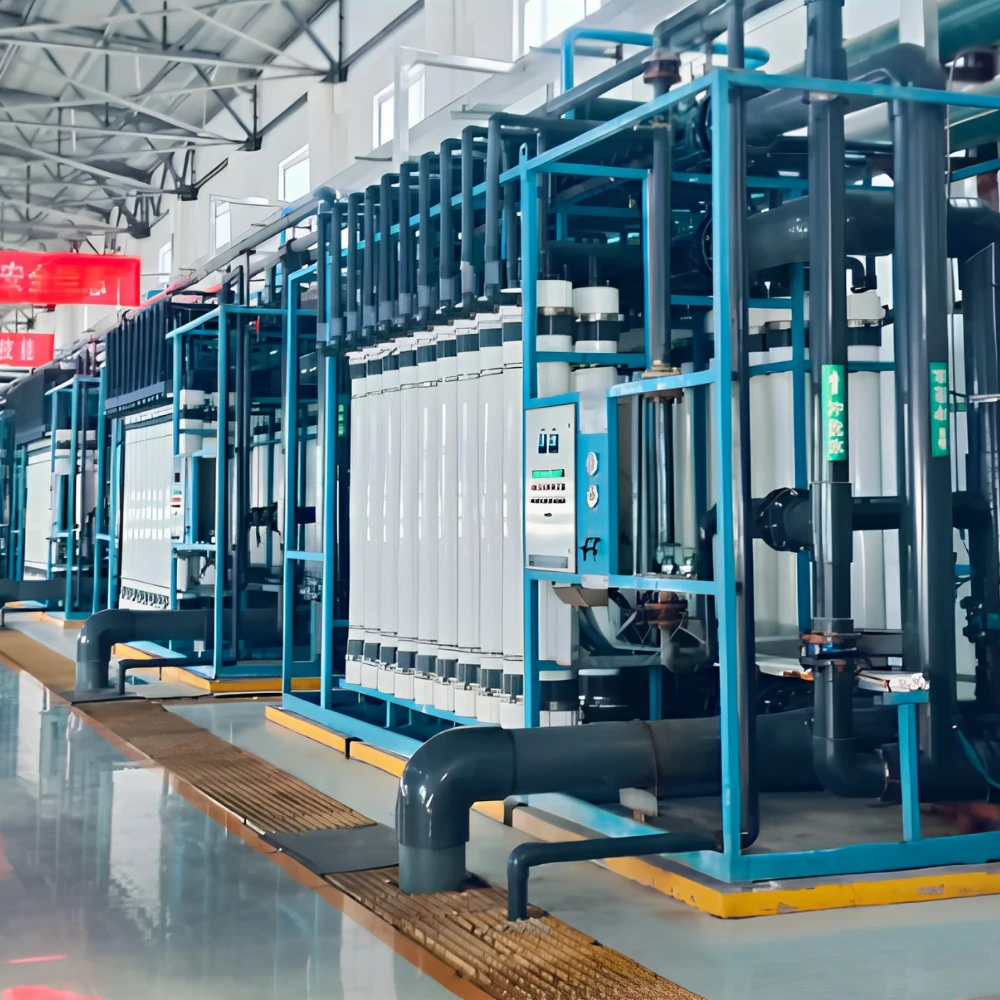
Industrial Water Treatment Applications Across Key Processes
- Industrial Process Water: RO, UF and NF can support industrial process water treatment, depending on whether the primary requirement is dissolved-salt reduction, particulate removal or selective separation.
- Boiler Feed Water and Ultrapure Water (UPW): RO can reduce dissolved salts, while UF may provide pretreatment where appropriate. Membrane filtration for boiler feed water treatment is generally part of a broader purification process designed to meet specific water quality requirements. UPW production typically requires additional downstream treatment.
- Industrial Wastewater Reuse: Industrial wastewater treatment and reuse can help recover water for suitable applications. Membrane wastewater treatment may incorporate UF, RO or NF according to wastewater composition, reuse targets and fouling risks. Additional treatment may be necessary to meet the required reuse quality.
- High-TDS and Challenging Water Sources: RO may be considered for high-TDS water, with membrane selection based on salinity, scaling potential, operating pressure and recovery requirements. Appropriate pretreatment is essential to support reliable system performance.
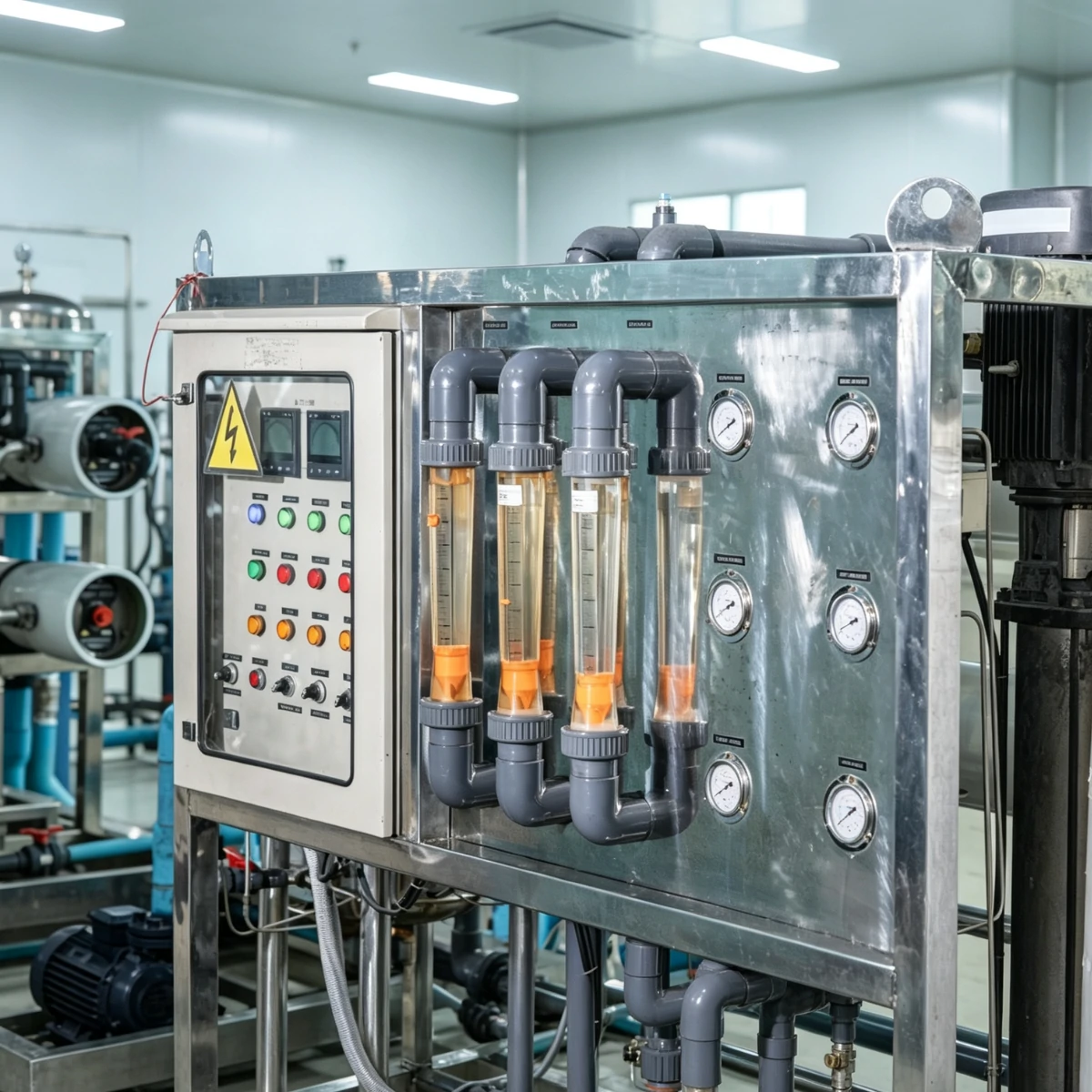
How to Select Membranes for Industrial Water Treatment
Industrial water treatment membrane selection should consider feed water quality, treated water requirements and operating conditions together.
- Analyze Feed Water Quality: Evaluate TDS, conductivity, turbidity, suspended solids, hardness, pH and temperature. Additional water analysis may be needed to identify specific contaminants and potential scaling or fouling risks.
- Define Treated Water Requirements: Determine the water quality required for process water, boiler feed water pretreatment, high-purity water production or wastewater reuse. These targets help establish the appropriate treatment process.
- Evaluate Operating Conditions: Consider operating pressure, temperature, flow rate, recovery targets, cleaning requirements and chemical compatibility when assessing membrane suitability.
Working through these three steps helps narrow down the appropriate membrane type and system configuration. For complex feed water or strict quality targets, a detailed water analysis and technical consultation are recommended before final selection.
Match Membrane Technology to the Application
The appropriate membrane technology should match the feed water characteristics, treatment objectives and operating conditions.
UF
Suspended solids and turbidity reduction.
RO
Dissolved-salt reduction.
NF
Selective separation, including hardness reduction.
Featured JOZZON Industrial Membrane Products
JOZZON offers membrane products for different industrial water treatment requirements. Explore the following categories to identify potential options for your application.