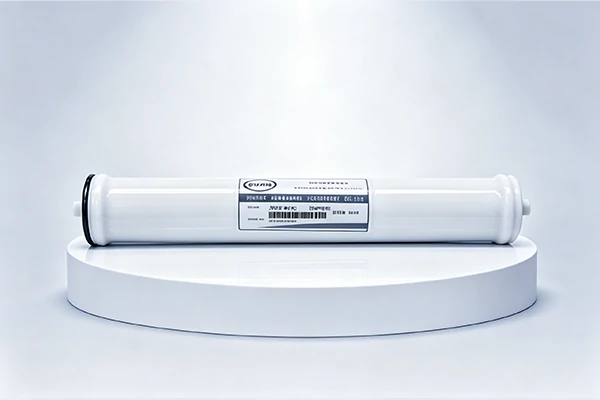
Common Challenges in Drinking Water Treatment
Source water quality fluctuates significantly across surface reservoirs, rivers, and deep groundwater wells. Achieving safe, compliant finished water requires overcoming several key contamination obstacles:
Suspended Solids & Turbidity
Silt, clay, and fine particulates impair clarity and rapidly overload downstream treatment equipment.
Microbial Threats
Waterborne bacteria and protozoan pathogens require absolute physical retention barriers for microbial safety.
Dissolved Inorganics & Salinity
High TDS levels and trace minerals demand selective separation or deep desalination.
Water Hardness
Excess calcium and magnesium ions contribute to pipe scaling and require targeted ion reduction.
Natural Organic Matter (NOM)
Organic compounds degrade water taste, odor, and color, increasing fouling risks on equipment.
Effective treatment begins with comprehensive water quality analysis to select the right multi-barrier membrane strategy without adding unnecessary operational steps.Choosing the Right Membrane Technology
Choosing the Right Membrane Technology
Different membrane technologies perform different separation functions. The appropriate drinking water membrane depends on the contaminants present and the required finished water quality.
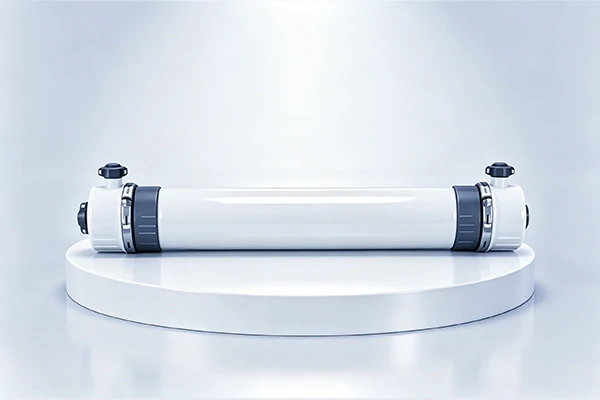
UF membranes separate suspended particles, colloids, and other larger substances. They are commonly used for turbidity reduction and as pretreatment before reverse osmosis.
A UF membrane for drinking water filtration can reduce the particle load on downstream equipment. However, UF does not generally remove dissolved salts, so additional treatment may be necessary.
NF membranes selectively separate certain dissolved components, including many multivalent ions, hardness-related substances, and some organic compounds. They can be suitable when selective treatment is required rather than the broader desalination provided by RO.
Actual separation performance depends on membrane characteristics, feed water composition, and operating conditions.
Reverse Osmosis (RO) Membranes for Dissolved Contaminant Removal
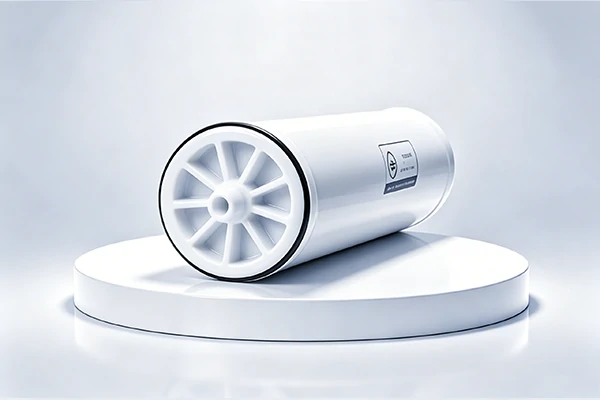
An RO membrane for drinking water treatment may be suitable for municipal supplies, groundwater, or brackish water, depending on the source water and system design. Pretreatment, operating pressure, recovery rate, and post-treatment all influence overall performance.
Typical Membrane-Based Drinking Water Treatment Process
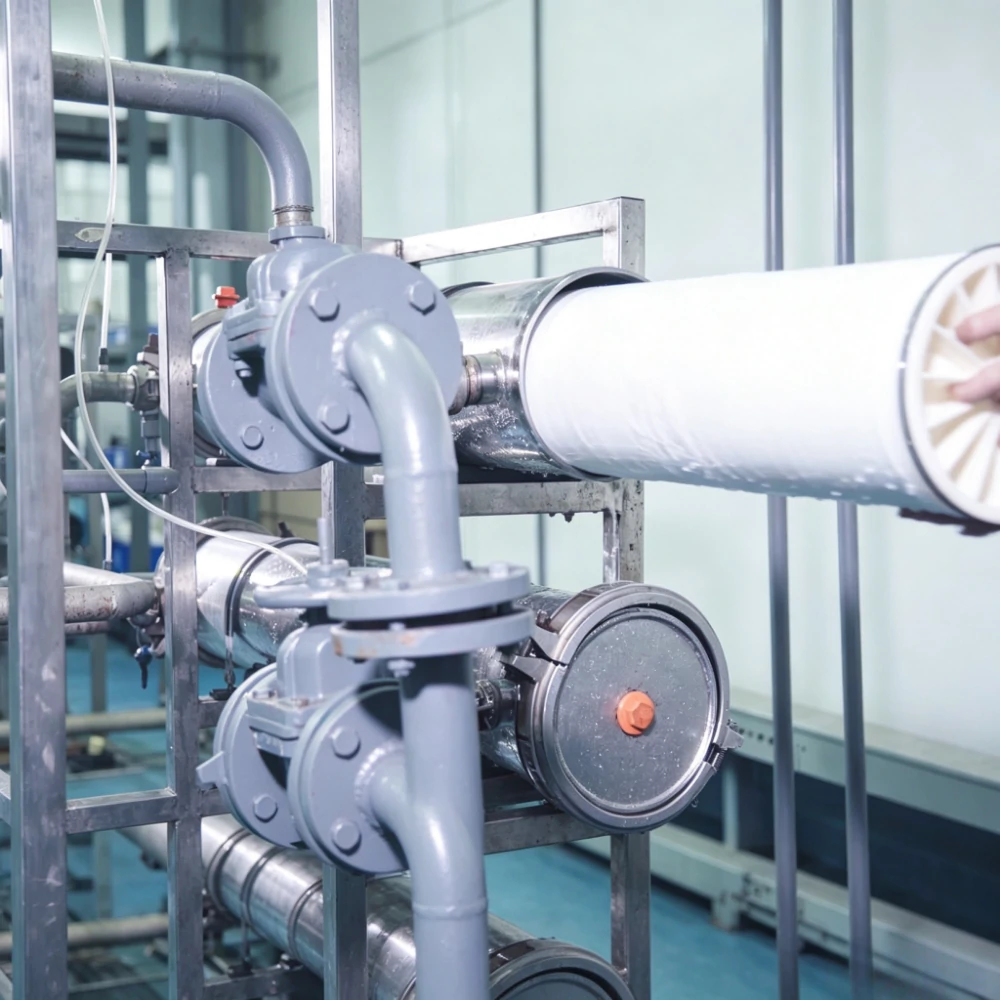
A drinking water treatment system should be designed around source water quality and target output requirements. A typical process may include:
Raw Water Assessment
Analyze turbidity, dissolved salts, hardness, and relevant contaminants.
Pretreatment
Apply suitable screening, filtration, or other processes to protect downstream membranes.
Membrane Treatment
Select UF, NF, RO, or a combination according to the required separation.
Post-Treatment
Adjust pH or mineral composition and apply disinfection where necessary.
Water Quality Verification
Test the finished water against applicable drinking water requirements.
Key Factors in Membrane Selection
When selecting membranes for drinking water treatment, evaluate:
- Feed Water Quality: Contaminants, salinity, hardness, turbidity, and fouling risks.
- Target Water Quality: Required output specifications and applicable standards.
- Treatment Capacity: Required permeate flow and expected operating conditions.
- Energy Requirements: Operating pressure and energy consumption within the system design.
- Pretreatment and Maintenance: Fouling potential, cleaning procedures, and maintenance needs.
- System Compatibility: Membrane dimensions, operating limits, and integration with existing equipment.
A suitable membrane selection balances separation performance, operating requirements, and long-term maintenance. Complex projects may require a detailed water analysis and technical evaluation before system design is finalized.
Explore JOZZON Membrane Solutions
JOZZON offers membrane technologies for different water treatment requirements, helping system designers identify suitable options for drinking water projects.